Our Home: Native Minnesota
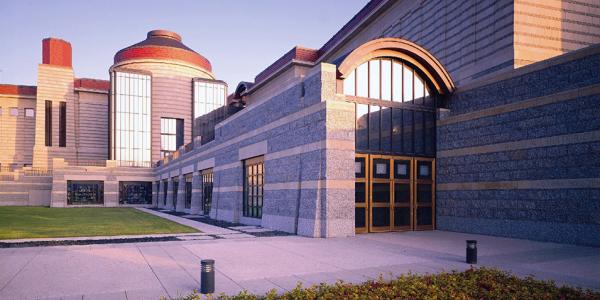
Minnesota History Center
Then Now Wow
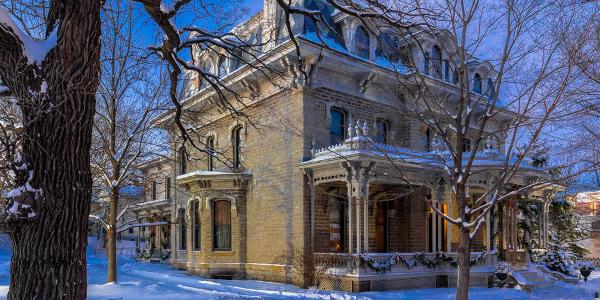
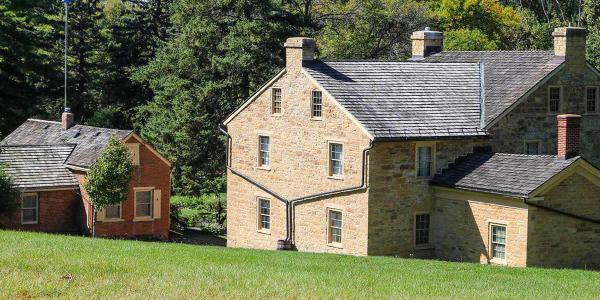
Alexander Ramsey House
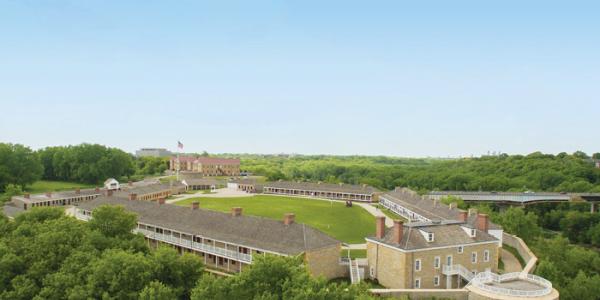
Historic Fort Snelling
James J. Hill House
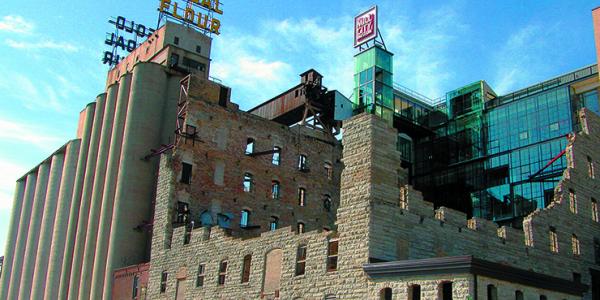
Mill City Museum
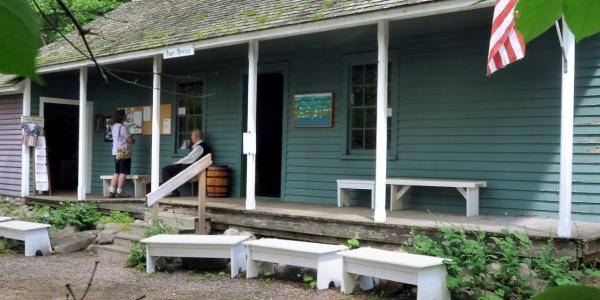
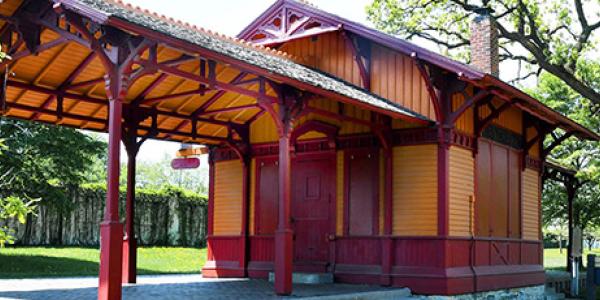
Minnehaha Depot
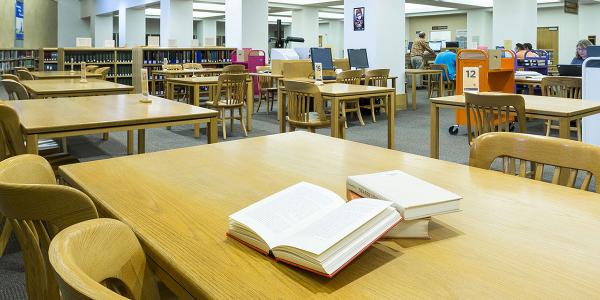
Gale Family Library
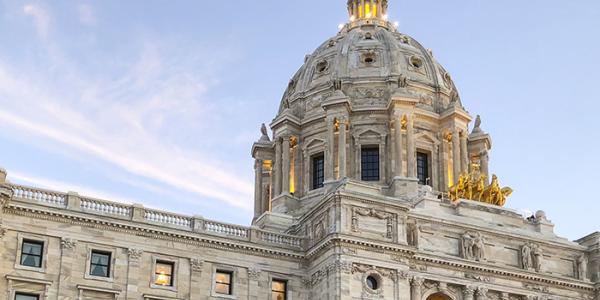
Minnesota State Capitol
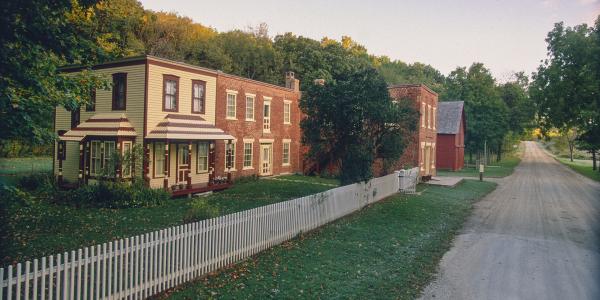
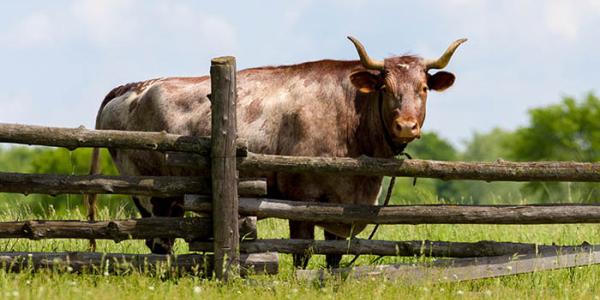
Oliver Kelley Farm
Sibley Historic Site
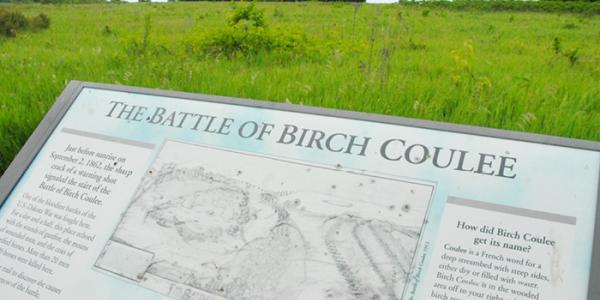
Birch Coulee Battlefield
Charles Lindbergh House and Museum
Comstock House
Folsom House
Forest History Center
Fort Ridgely
Harkin Store
Historic Forestville
Jeffers Petroglyphs
Lac qui Parle Mission
Lower Sioux Agency
Marine Mill
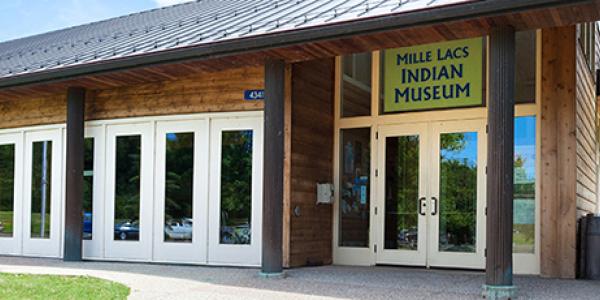
Mille Lacs Indian Museum & Trading Post
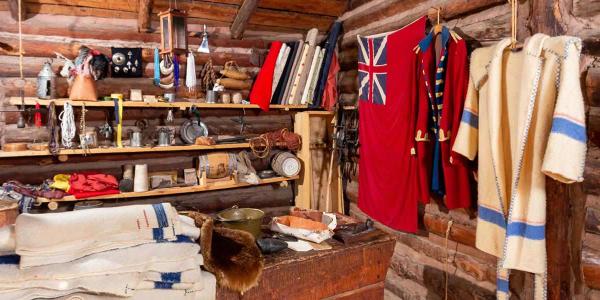
Snake River Fur Post
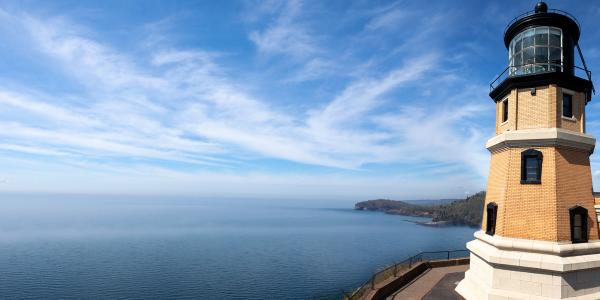
Split Rock Lighthouse
Traverse des Sioux
W. W. Mayo House
LGBTQIA + Communities in Minnesota
Minnesota People Records
Duluth Lynchings
MNopedia
US-Dakota War of 1862
Collections & Indexes
Search artifacts, people records, digital newspapers, archival collections, and more.
MNHS Press
Browse MNHS books, and explore MNopedia, our online Minnesota encyclopedia.
Digital Newspapers
Access to millions of digital newspaper pages through the Minnesota Digital Newspaper Hub.
Minnesota History magazine
A lively, richly illustrated magazine published quarterly. Purchase recent issues and explore the archive.
Research Help
Get your research started with online tools and resources from the Gale Family Library.
Preservation
Learn how we preserve and protect our state’s objects, documents, and places.
Education Overview
Resources, programs and events to support Minnesota history education for teachers and students.
National History Day
Students choose a topic on an annual theme, then research and present papers, exhibits, performances, documentaries and websites.
Northern Lights
Minnesota social studies curriculum for sixth graders.
Supplemental Curriculum Products
Enrich your lessons and engage students in complex history topics with our curriculum products.
Teacher Professional Development
Discover new teaching practices and broaden your knowledge in an MNHS professional development workshop.
6th Grade History Pass
Minnesota 6th graders are granted FREE admission to MNHS historic sites and museums for one year. Teachers and parents may order them now!
Field Trips
Transport your students to hands-on history destinations.
Teacher Memberships
Discounted admission for educators.
Teaching Native American History & Culture
Resources developed to broaden your knowledge and engage students.
Preserving our past, sharing our state's stories and connecting people with history.
Support MNHS
Your support helps us harness the power of history to transform lives.
Become a Member
Members get the best deal in history with free general admission and discounts on events, purchases, and more at our historic sites and museums for a full year.
Donate
Tax-deductible donations of all sizes help MNHS provide extraordinary services to nearly one million visitors each year.
Corporate Giving
North Star Circle members are a distinguished group of supporters who serve as Minnesota history’s strongest advocates.
Shop
Shop for books and gifts relating to the fascinating people, long history, and unique culture of Minnesota.
Advocate for History
Speak up for history. Talk with your legislators, our governor, and your community leaders.
Visit any or all of MNHS’s 26 historic locations and see our state, or your hometown, in a whole new light.
New website guide and feedback form