Managing Your Government Records: Guidelines for Archives and Agencies
Chapter 1
What do you need to know about government records?
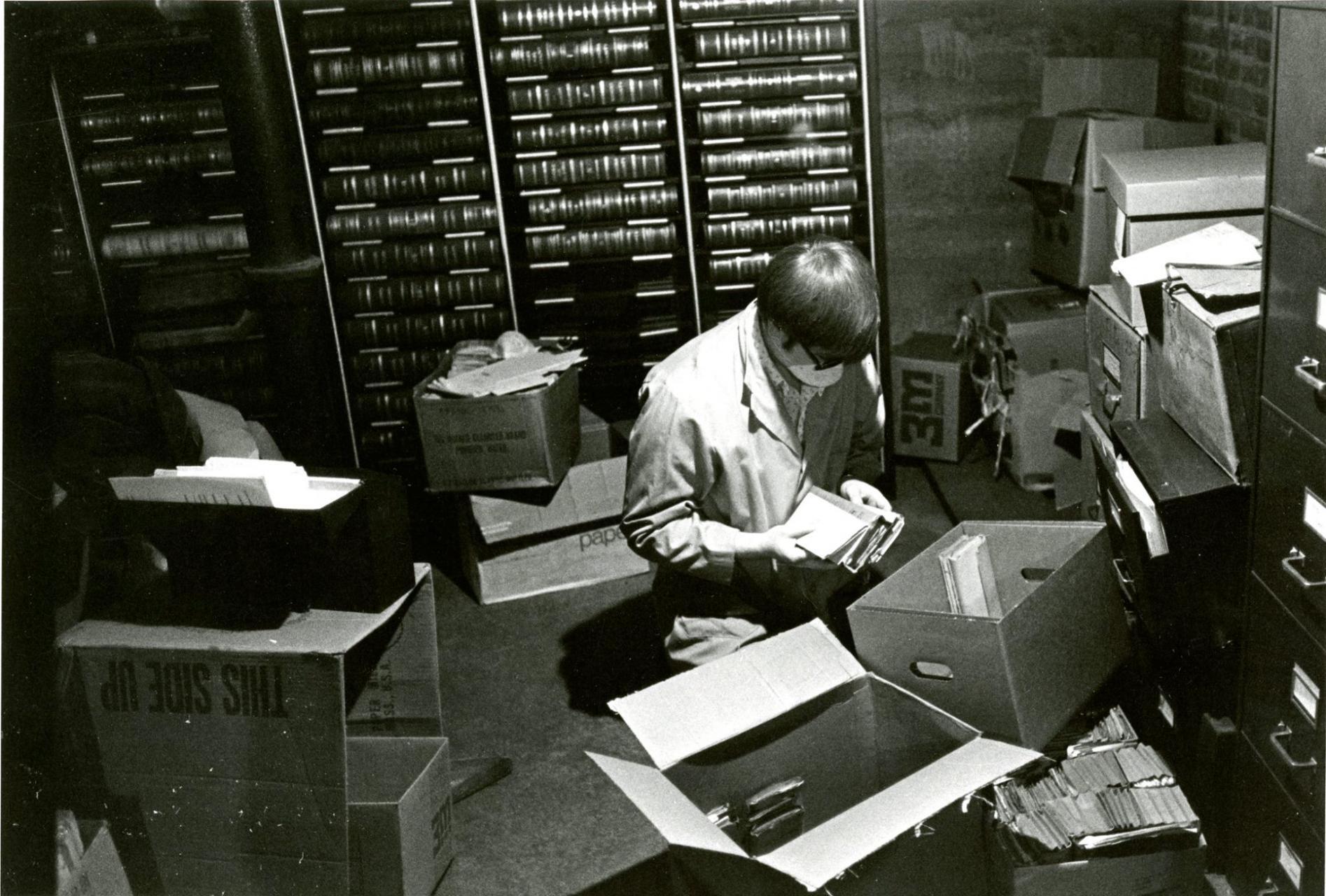
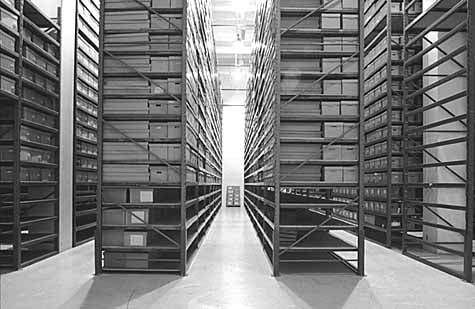
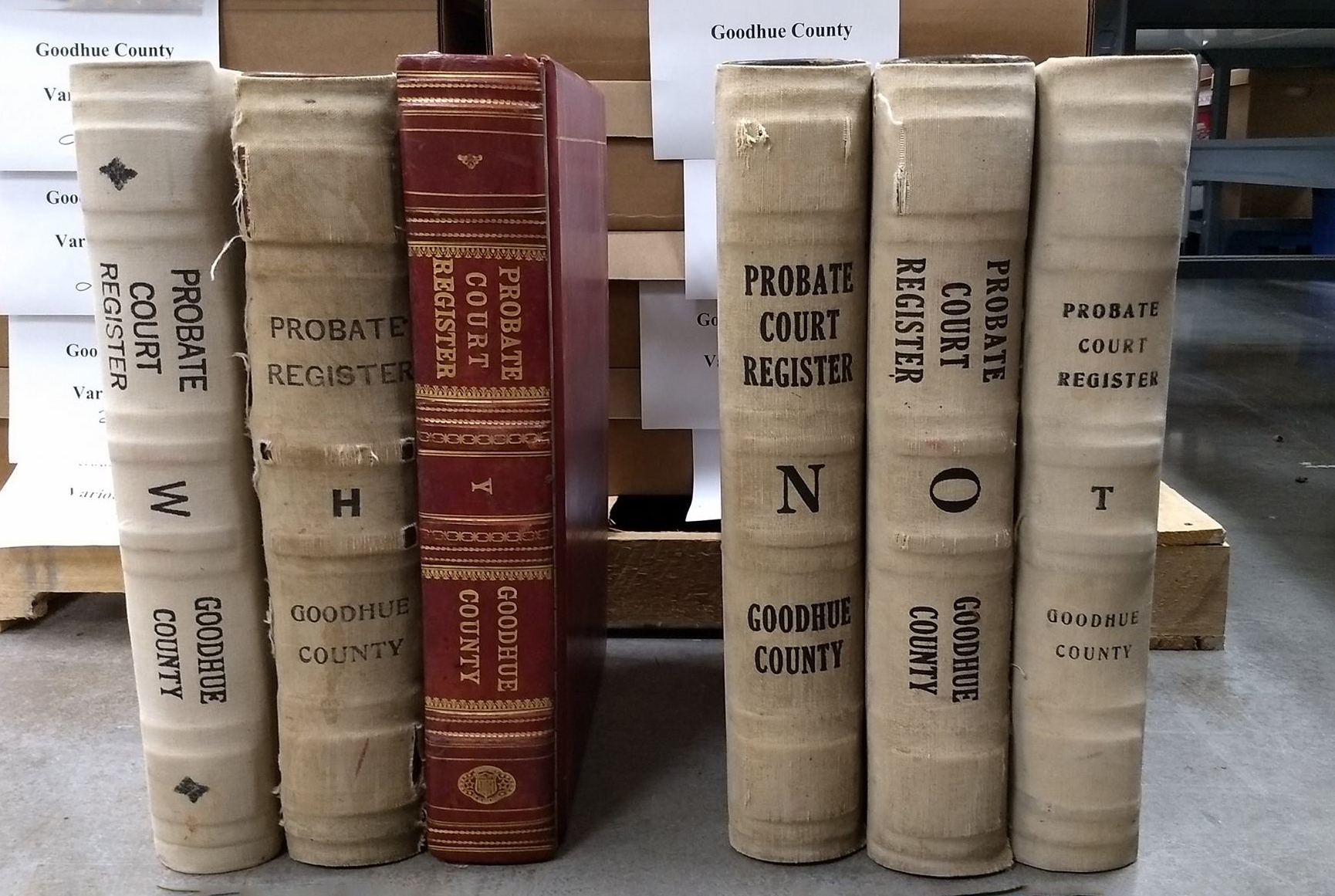
Defined as state and local records that are created in accordance with state law or in connection with public business transactions. Examples include correspondence, maps, memoranda, papers, photographs, reports, writings, recordings, e-mail, and other data, information, or documentary material. Government records are of great value to the State of Minnesota and its citizens—they are necessary for conducting government business; they help preserve our heritage by documenting our historical places, people, and events; and they are used frequently for research and investigations. And as a government agency or historical society, you take on the many responsibilities that come with holding and managing these vital documents. You need to be able to recognize government records and to undertake all the activities—acquisition, The process of evaluating records to determine their value and ultimate disposition based upon their administrative, legal, historical and fiscal use; their evidential and informational content; their arrangement and condition; their intrinsic content; and their relationship to other records. See also Record Value. appraisal, description, preservation, Those operations aimed at maintaining and preserving archives. storage, and retrieval—required to maintain an archives.
In this chapter you will learn all about records: the definition of a government record, what laws pertain to government records, who creates and manages records, and what records have Records that have historical value provide information about the past. They often document the development of government and its policies, provide unique evidence of the lives and activities of people, describe social and economic conditions, and record the development of community and business. See also Record Value. historical value. You will be introduced to the A department of the Minnesota Historical Society that documents the history of Minnesota by identifying, preserving, and making accessible the evidential record of government activities and the historically valuable information created by government. State Archives Department of the Minnesota Historical Society, and how it can assist you in managing your own records. The issue of storing your records locally or nonlocally will be discussed and resources to help you manage your government records will be presented. The appendices at the end of the guidelines contain Guidelines for the Disposition of Government Records to Other Repositories (Appendix A), and a model agreement entitled Government Records Depository Agreement (Appendix B).
Navigate this chapter
The following are sections of the What do you need to know about government records chapter:
- What is a government record?
- What laws pertain to the preservation and management of government records?
- Who is involved in record keeping?
- What is the role of the State Archives?
- Why do government records have value?
- What government records have historical value?
- Is it best to preserve and store government records locally?
- What resources are available to help manage government records?
- Where can you get more information on government records?
What is a government record?
Government records are defined as state and local records that are created in accordance with state law or in connection with public business transactions. Government records are created by officers or agencies of the state, counties, cities, towns, school districts, municipal subdivisions, organizations, or any other public authorities or political entities.
Examples of government records include correspondence, maps, memoranda, papers, photographs, reports, writings, recordings, e-mail, and other data, information, or documentary material. Records can be stored on various media such as paper, Any form containing greatly reduced images, or microimages. Examples of film-type microforms include microfilm, microfiche, and aperture cards. microform, audio and video tape, photographic materials, and computer disks. It is important to remember that government records refer to the recorded data or information regardless of the media it is recorded on or format it is in. For example, the information found on a birth certificate is considered the record, not the paper document or the microfilm itself.
For a more complete definition of Minnesota government records, see Chapter 138.17 of the Minnesota Statutes at http://www.revisor.leg.state.mn.us/stats/138/17.html.
What laws pertain to the preservation and management of government records?
In Minnesota, government recordkeeping is governed by three statutes: the Official Records Act, the Records Management Act, and the Minnesota Government Data Practices Act. You should become familiar with these statutes as they directly affect you as a repository of government records.
Official Records Act, Minnesota Statutes, Chapter 15.17
http://www.revisor.leg.state.mn.us/stats/15/17.html
The Official Records Act (M.S. 15.17) mandates that "all officers and agencies," at all levels of government, "shall make and preserve all records necessary to a full and accurate knowledge of their activities." This act helps to ensure that Minnesota government is accountable to its citizens, administrations, courts, legislatures, financial auditors, and future generations of Minnesotans.
Records Management Act, Minnesota Statutes, Chapter 138.17
http://www.revisor.leg.state.mn.us/stats/138/17.html
The Records Management Act (M.S. 138.17) provides the mechanism for the orderly and accountable The disposal of a set of records. This may mean immediate destruction, short-term or permanent retention, or transfer to an archives. disposition of government records. This act defines the state Records Disposition Panel as well as the records retention schedules discussed later in this chapter.
Minnesota Government Data Practices Act, Minnesota Statutes, Chapter 13
http://www.revisor.leg.state.mn.us/stats/13.html
The Found in Minnesota Statutes, Chapter 13. Governs access to government records. The basic tenet of this act is that government records are presumed public and open to everyone unless the data in the records are classified as not public. See also Restricted Records. Minnesota Government Data Practices Act (MGDPA) (M.S. 13) ensures that the general public maintains access to nonrestricted government records. More information on this act can be found in Chapter 6 of the guidelines (How do you provide reference service to government records?).
Who is involved in record keeping?
Chief administrative officers of government offices and their staff, the Minnesota Department of Administration, and the Records Disposition Panel play major roles in the creation and management of government records.
Chief Administrative Officers and Their Staff
According to Minnesota law, the chief administrative officers of government offices or agencies—city clerks, school district superintendents, township clerks, county officers, and state agency commissioners—are responsible for creating and preserving government records. And in the course of their normal work routines, all government staff members share this responsibility by following their agency's policies and procedures.
Minnesota Department of Administration, Information Policy Analysis Division
The
A Minnesota government agency that assists other government agencies and private organizations in understanding and complying with a variety of laws that constitute policy decisions about data practices, records management, and access to government data and to other types of data and information. IPAD also provides assistance to the legislature in the development of statutes relating to data access and disposition.
Minnesota Department of Administration, Information Policy Analysis Division (IPAD)
provides technical assistance and consultation about Minnesota's data practices (M.S. 13) and records management acts (M.S. 15.7 and 138.17), and other information policy laws. Visit http://www.ipad.state.mn.us/ for more information on the services provided by IPAD.
Records Disposition Panel
The state
Established by the Records Management Act, Minnesota Statutes, Chapter 138.17, this panel reviews and approves proposed records retention schedules and applications for authority to dispose of records. It is composed of the State and Legislative Auditors, the Attorney General, and the Director of the Minnesota Historical Society.
Records Disposition Panel,
a statutory body defined by the Records Management Act (M.S. 138.17) http://www.revisor.leg.state.mn.us/stats/138/17.html, also plays a very important role in the preservation and management of government records by ensuring that the disposition of such records is managed appropriately. In addition to maintaining the records retention schedules, this panel reviews, evaluates, and decides on requests to destroy or transfer records. The panel consists of the following individuals:
- Legislative Auditor (for state agency records)
- State Auditor (for local agency records)
- Attorney General
- Minnesota Historical Society Director
The members of this panel were specifically chosen for of their special knowledge of records value: the Legislative and State Auditors understand the fiscal value of state and local records, the Attorney General understands the legal value of records, and the Minnesota Historical Society Director understands the historical value of records.
It is important to know that you are responsible for submitting requests to the panel if you want to change record formats, transfer records to another organization, or dispose of records not listed on an approved records A plan for the management of records including a list of record series, coverage dates, locations, formats, volume, data practices classifications, and retention periods. Retention schedules provide the legal authority for records retention and disposal. retention schedule. It is the responsibility of the panel, then, to ensure that all fiscal, legal, and historical concerns are addressed.
What is the role of the State Archives?
The mission of the State Archives is to document the history of Minnesota by identifying, preserving, and making accessible the evidential record of government activities and the historically valuable information created by government. This is accomplished through shared responsibility with the records creators. One of the State Archives' most important responsibilities is to assist you in determining the historical value of your records (roughly 3-5% of government records have permanent historical value).
In addition, the State Archives has produced a variety of resource guides covering legal and storage issues, The state in which an agency is prepared for disaster. Preparedness involves a plan for avoiding and recovering from a disaster. See also Disaster Recovery. disaster preparedness, digital imaging, and more. These guides are available on the State Archives' web site at http://www.mnhs.org/preserve/records/index.html.
Why do government records have value?
Government records might have value for a variety of reasons—they might ensure The quality of being responsible, answerable. Accountability also refers to the obligation to report, explain, or justify an event or situation. accountability, provide proof of agreements or rights, be unique in nature, describe historically important events, and be useful for research or investigations. And because government records have value you need to take proper care of them. For a complete discussion on the appraisal of government records, see Chapter 2 of the guidelines (How Do You Appraise Government Records?).
Good The act or process of substantiating by recording actions and decisions. Documentation also refers to the records required to plan, develop, operate, maintain, and use electronic records. Documentation includes system specifications, file specifications, codebooks, file layouts, user guides, and output specifications. See also Documentation Strategy and Record Description. documentation practice is essential to properly care for and protect your records of value, and it can also add to the value of your collection. Good documentation makes locating and retrieving your records easier, substantiates the trustworthiness of your collections, provides the means to manage and control your records more effectively, and helps justify your decisions and actions. Good documentation practice should apply to all your records whether they are paper or nonpaper. For a complete discussion on documenting records, see Chapter 3 of the guidelines (How Do You Describe Government Records?).
It is also important that you preserve and store your records with care. Chapter 5 of the guidelines (How Do You Preserve and Store Government Records?) provides valuable information on storage environments and storage techniques for all types of records media.
What government records have historical value?
There are many records that have historical value such as town board meeting minutes, accounting reports, civil and criminal court case files, annual reports, student censuses, and territorial documents, to name just a few. Records that offer genealogical information, such as birth and death certificates, are also of value as many archives users are researching family history. For a more complete discussion on appraising records with historical value, see Chapter 2 of the guidelines (How Do You Appraise Government Records?).
As a records custodian, it is important for you to remember that the definition of a historically valuable record can change dramatically over time, and you therefore need to appraise records continually. For instance, interest in women's, ethnic, and labor history has grown tremendously, making records that pertain to these subjects far more valuable today than they were perceived half a century ago.
Is it best to preserve and store government records locally?
Eventually you will need to decide if you want to store records locally, either at a local government office or a local historical society, or transfer them to nonlocal archives such as the State Archives. Each option has its own advantages and you will need to consider the tradeoffs when deciding what to store where.
Preserving and storing records locally provides a tremendous convenience for residents and others who are researching the local region. County historical societies and local governments focus on their regional history—their historical people, places, and events—demonstrating a proud commitment and a strong desire to promote the local heritage. Records kept locally provide immediate access to local and regional history.
Transferring your records to nonlocal archives, on the other hand, can relieve you of the burdens and costs associated with preserving, storing, and managing records. Storing your records nonlocally will also lower your costs associated with archives-related services, such as photocopying and reference services. Other than those available through the Society's grant-in-aid program (visit http://www.mnhs.org/about/grants/stgrants.html for more information), funds are not available from the state for local The discipline and organizational function of managing records to meet operational business needs, accountability requirements, and community expectations. Records management strives for achieving economy and efficiency in the creation, use, maintenance, and disposition of records. records management or archival programs. Contact the State Archives for advice on managing your government records.
Guidelines for depositing records in a local repository (Appendix A), along with a model government records depository agreement (Appendix B), are provided at the end of these guidelines.
What resources are available to help manage government records?
The State Archives' web site offers many resources to help you manage your government records. In addition, IPAD has published a manual that offers guidance in preserving and disposing government records.
State Archives' Web Site
The State Archives' web site at http://www.mnhs.org/preserve/records/index.html offers up-to-date information on preserving and managing historical records. This site also contains links to professional associations and other state agencies that provide valuable resources. The Transfer of Records to State Archives form can be downloaded from http://www.mnhs.org/preserve/records/TransferForm.pdf.
Preserving and Disposing of Government Records Manual
Updated in July 2000, this is an excellent records management resource published by IPAD. This manual, found at http://www.ipad.state.mn.us/, explains the responsibilities of government agencies, shows you how to set up a records storage area and take
A finding aid that contains a detailed description of record sets. Inventories are typically more detailed than record catalogs, and contain information such as title, inclusive dates, quantity, arrangement, relationships to other series, description of significant subject content, and appendixes. See also Finding Aid.
inventory,
discusses records disposal, and describes records retention schedules.
Records Retention Schedules
Records retention schedules are an essential tool for managing your government records. These schedules specify minimum retention periods for records based on the records'
Records that have administrative value support the ongoing, day-to-day administrative affairs of the records creator, and are used in conducting routine business and assisting the creating agency in performing its current and future work. See also Record Value.
administrative,
Records that have fiscal value are often needed for audit purposes. Federal and state requirements determine retention periods for records with fiscal value. See also Record Value.
fiscal,
Records that have legal value deal with matters related to law. Examples include agreements, civil and criminal case files, contracts, leases, and naturalization papers. See also Record Value.
legal,
and historical value. It is important to remember that the
The period of time that records need to be retained before their final disposal. Retention period is based on statutory requirements and an estimate of the frequency of current and future use.
retention period
pertains to the content of the records, regardless of the records' media or format. For instance, city council minutes must be permanently retained. They are originally recorded on paper, but might eventually be microfilmed. As long as the minutes are permanently retained on
Fine-grain, high-resolution film containing microimages. See also Microform.
microfilm,
the minutes in paper form might be eligible for destruction assuming the proper review and approval have taken place.
State or local government agencies may create their own records retention schedules, but each schedule must have the proper review and approval prior to use. To create your own records retention schedule, you must first submit three signed copies of your proposed schedule to the State Archives Department of the Minnesota Historical Society, at 345 Kellogg Boulevard West, Saint Paul, MN 55102-1906. The State Archives will review the schedule, and then submit it to the Records Disposition Panel for final review and approval. Once the schedule is approved, a copy will be returned to your agency. A blank records retention schedule form, with instructions, is available at http://www.mnhs.org/preserve/records/BlankRetForm.rtf
General records retention schedules are available for the four major jurisdictions of local government: cities, counties, townships, and school districts. City, county, and township schedules are available from The League of Minnesota Cities (http://www.mcfoa.org), Association of Minnesota Counties (http://www.mncounties.org) and Minnesota Association of Townships (http://www.mntownships.org). School schedules can be purchased from the Minnesota Department of Administration, Information Policy Analysis Division (IPAD) at http://www.ipad.state.mn.us/.
| Government Agency | Retention Schedule Status |
|---|---|
| City | This schedule was updated and distributed in April 2003. It is available online at http://www.mcfoa.org. |
| County | This schedule was compiled in 1985 and is still valid. |
| Township | This schedule was compiled in 1985 and is still valid. |
| School district | This schedule was updated and distributed in January 2000. |
The Minnesota State Court System has a revised records retention schedule at http://156.99.86.17/documents/RetentionSchedule/Retention_Schedule_Revised_3-05.doc.
For records of county human services departments the state Human Services Department hosts an on-line records retention schedule at http://www.dhs.state.mn.us/main/groups/publications/documents/pub/DHS_id_004048.pdf.
Application for Authority to Dispose of Records Form
The Application for Authority to Dispose of Records form is a means of disposing records that are not covered in any records retention schedule. It is your responsibility to fill out the form completely and submit it to the State Archives. The State Archives will then secure the signatures of the Records Disposition Panel members and return the form to you. This form is available at http://www.mnhs.org/preserve/records/PR1form.pdf.
Where can you get more information on government records?
Minnesota Department of Administration, Information Policy Analysis Division (IPAD)
http://www.ipad.state.mn.us/
IPAD provides technical assistance and consultation about Minnesota's data practices (M.S. 13) and records management acts (M.S. 15.7 and 138.17), and other information policy laws.
Minnesota Office of Enterprise Technology
http://www.oet.state.mn.us/
This office provides assistance with information technology issues and concerns.
Minnesota Historical Society, State Archives Department
http://www.mnhs.org/preserve/records/index.html
The State Archives provides information on and assistance with historically valuable government records.
Council of State Archivists
http://www.statearchivists.org/
The Council of State Archivists provides links to key documents such as manuals, forms, fee schedules, and other documents that can help you manage your archives.
National Association of Government Archivists and Records Administrators
http://www.nagara.org
This association provides useful information and reports from around the country on government records.
National Archives and Records Administration
http://www.archives.gov/index.html
This is a very informative web site that describes the activities, policies, procedures, and collections of the National Archives.
Society of American Archivists
http://www.archivists.org
The Society of American Archivists has a very comprehensive web site that provides manuals, books, guides, and other information about managing your archives. For persons new to the archival profession the Society has a web site, hosted by Yale University, that provides links to information about the core archival functions. Topics include acquisitions, processing, preservation, description, reference, continuing education, sources for readings, and other resources. The web site is available at http://www.library.yale.edu/%7Ekspicher/mssrepos/resources_gateway1.htm.
Archives Association of British Columbia
http://aabc.bc.ca/aabc/toolkit.html
The Archives Association of British Columbia hosts a web site called the “Archivist's Toolkit”, that is an excellent resource for those working in small and medium-sized archives. The web site has links to policies and procedures, guidelines, standards, case studies, publications, and other resources on the following topics: establishing an archives, appraisal and accessioning, arrangement and description, reference and access, automation and digitization, preservation, conservation, and emergency planning.