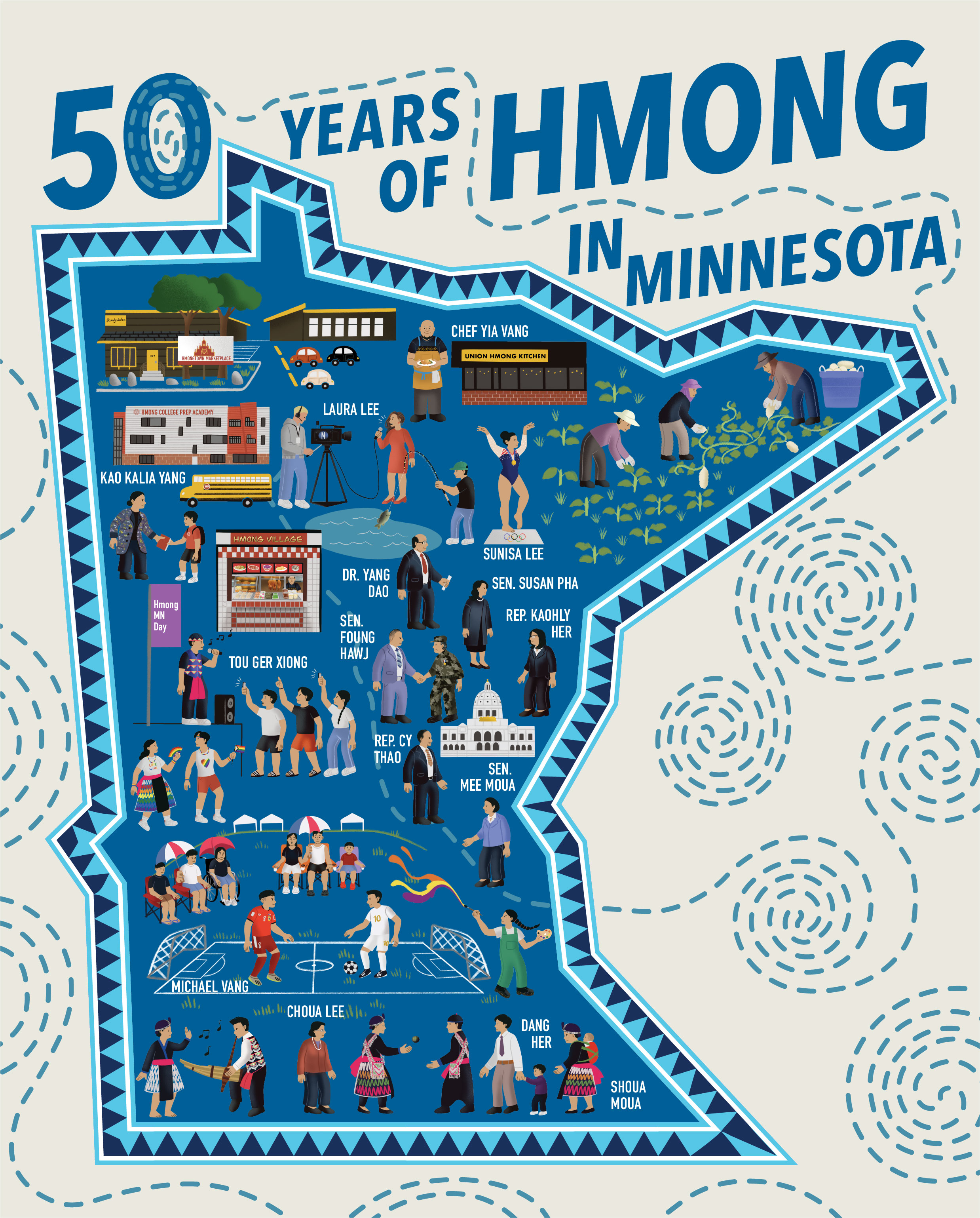
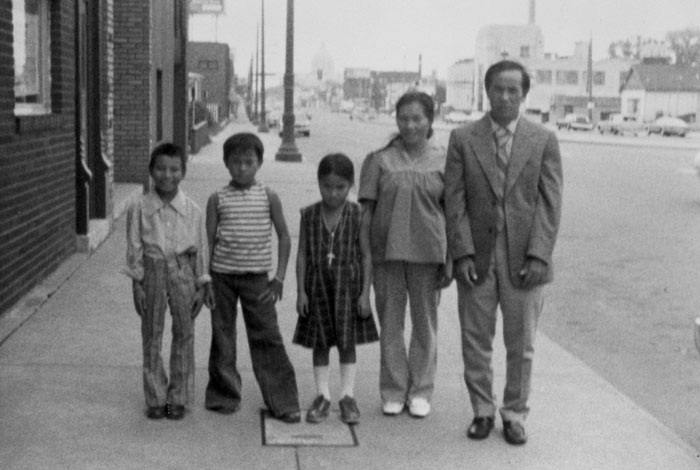
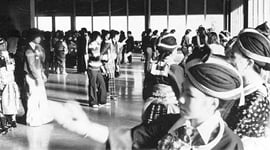
The Hmong — a distinct ethnic group with ancient roots in China—began coming to Minnesota in 1975 as refugees from the destructive wars that had ravaged their homelands in Laos. Today, there are more than 66,000 Hmong in Minnesota, and the Twin Cities metro is home to the largest concentration of Hmong in America.
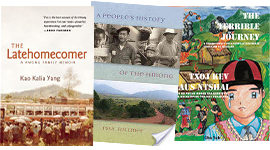
For decades, the Hmong have made a profound impact on their adopted home of Minnesota. Over the years, MNHS has collaborated with the community to document this remarkable story by collecting oral histories, images, and artifacts, and by publishing books and articles on the Hmong experience.
Hmoob—yog ib haiv neeg uas muaj keebkwm puag Suav Teb los—pib tsiv teb tsaws chaw tuaj rau xeev Minnesota nyob xyoo 1975 ua neeg thojnam los ntawm kev tsov rog uas tau tsim kev kub ntxhov rau lawv lub teb lub chaw nyob Lostsuas. Niaj hnub nim no, muaj coob tshaj 66,000 leej neeg Hmoob nyob hauv Minnesota, thiab nyob hauv Nroog Ntxaib yog thaj chaw uas cov Hmoob nyob Meskas Teb coob tshaj.
In commemoration of fifty years of the HMong community in Minnesota, a selection of paaj/paj ntaub from MNHS’s collections are on display at the Minnesota History Center. The selection highlights the exquisite artistic skills and ingenuity of HMong women. For generations, women provided clothing, household items, and income while preserving and passing on cultural symbols and stories to younger generations. Historically, HMong is an oral language. Hear text from this exhibit spoken in both Green and White HMong below. Additionally, English transcription of the exhibit text have been made available.
Please note that the HMong audio recording accompanying the transcriptions are not an exact word-for-word rendering of the printed version. In HMong oral traditions, meaning is carried not only through words but also through tone, rhythm, and expression. Therefore, tonal shifts and phrasing may differ slightly from the written text to honor the natural intonations and flow of the spoken language.


Minnesota Unraveled
We collect and share artifacts, photographs, and publications that tell the story of the Hmong in Minnesota. Find out how to donate an item to the MNHS collections.
Peb khaws thiab qhia txog cov qub txeeg qub teg, cov duab thiab ntaub ntawv txog Hmoob zaj dab neeg nyob Minnesota. Yog koj muaj qee yam xav muab pub tuaj rau peb, thov koj pab muab sau daim ntawv no kom tiav.

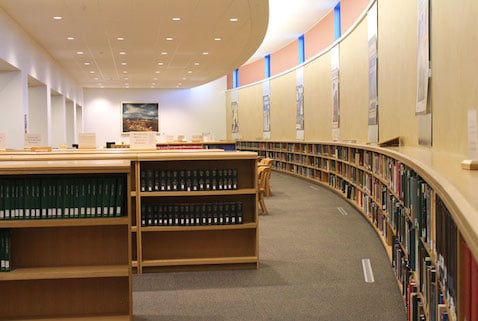
The Minnesota History Center’s Gale Family Library is free and open to the public and contains many books and articles about the Hmong Community.
Research guide | Visiting the libraryKoomhaum Minnesota History Center lub chaw nyeem ntawv Gale Family Library yog ib qhov chaw qhib dawb thiab muaj ntau cov ntaub ntawv hais txog haiv neeg Hmoob.
Kev pab tshawb | Tuaj saib chaw saib ntawvy
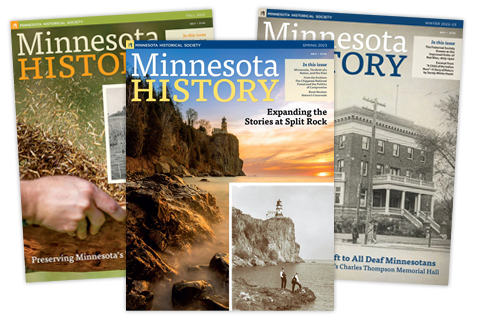
The online encyclopedia MNopedia and the magazine Minnesota History both offer articles that document the experiences of Hmong people in Minnesota.
MNopedia | Minnesota History MagazineLub vassab teeb lus txhij hu ua MNopedia thiab phau ntawv Minnesota History yog ob yam uas khaws sau kom muaj ntaub ntawv txog Hmoob lub neej nyob Minnesota.
Chaw sau txog Minnesota cov neeg lub neej | Ntaub ntawv keeb kwm Minnesota

Legacy Amendment grants provide funding for projects of enduring value that preserve and share Minnesota's history and cultural heritage.
Find Hmong-related legacy projects | Apply for a Legacy grant through MNHSCov nyiaj los ntawm Legacy Amendment no yog los pab txhawb nqa yam muaj nuj nqis uas yuav zwm cia thiab nthuav tawm txog Minnesota li keeb kwm thiab lub neej txheej thaum ub.
Nrhiav Legacy cov khoom tswm sib txog Hmoob | Kev pab nrhiav nyiaj