Rondo Movement History Interview Project Oral History Transcripts and Recourses
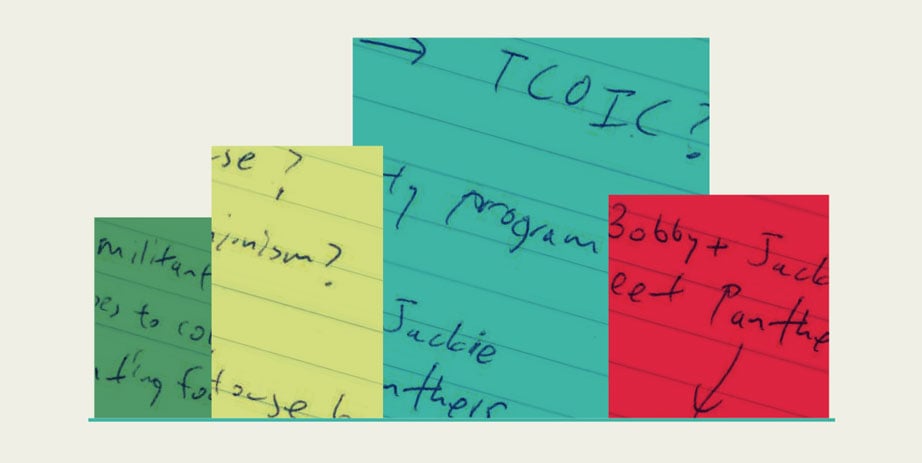
The Rondo Movement History Interview Project, conducted in 2025, documents how Black residents of the Rondo community organized politically during the Civil Rights and Black Power movements of the 1950s–1970s. Featuring six oral histories from community members connected to the Hallie Q. Brown Community Center, this project preserves firsthand accounts of political activism and is intended to serve as the first installment in an ongoing oral history series conducted in partnership with the Hallie Q. Brown Community Center Community Archives.
- Vol 1 Rondo Movement History Interview Project Complete Recourses (PDF 2.9M)
- Rondo Movement History Project Overview and Summary Form (PDF 193K)
- Rondo Movement Hist Interviews All Scanned Materials (PDF 1M)
- Balenger Sept 30 Interview Transcript (PDF 272K)
- Khaliq Sept 30 Interview Transcript (PDF 255K)
- Crowe Oct 2 Interview Transcript (PDF 331K)
- Mgeni Oct 16 Interview Transcript (PDF 344K)
- Montgomery Oct 30 Interview Transcript (PDF 302K)
- Winfield Nov 25 Interview Transcript (PDF 255K)

First Thursday Films at The Capri: "Acts of Reparation" Screening
Thursday, February 5, 2026
In Acts of Reparation, two filmmaking friends, Selina, a Black woman, and Macky, a white man, head south together to explore their roots and the insidious legacy of slavery. Visiting with family in Louisiana, Selina discusses the secret histories of her family, while Macky, in Georgia, confronts his family’s inherited privilege. What emerges is an eye-opening story of hope and redemption. Tickets are $5 and can be purchased online or at the Capri Theater doors. This program is in partnership with the MSP Film Society.
Being Black and Betty Crocker
Saturday, February 14, 2026
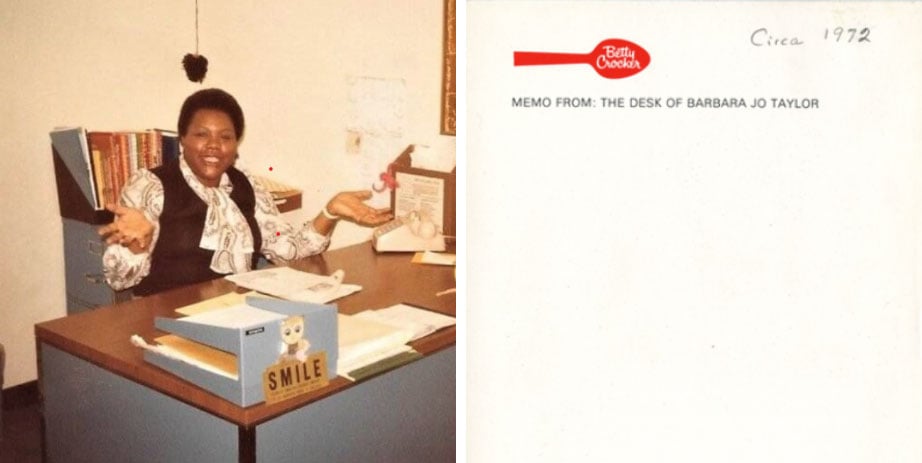
Barbara Jo Taylor received her first Betty Crocker cookbook as a teenager in Cheyenne, Wyoming. She looked at photos of women working in General Mills’ test kitchens and said, “That’s what I want to do.” In 1968, she launched her 20-year career with the company.
This free program at the Minnesota History Center will feature a screening of TPT’s Being Black and Betty Crocker, a moderated conversation with Barbara Jo Davis, a Q&A session, and reception with light refreshments. A virtual option is also available via Zoom. Registration is recommended.
Funding provided by the State of Minnesota's Legacy Amendment's Arts and Cultural Heritage Fund, through the vote of Minnesotans on Nov. 4, 2008, and our generous donors and members.
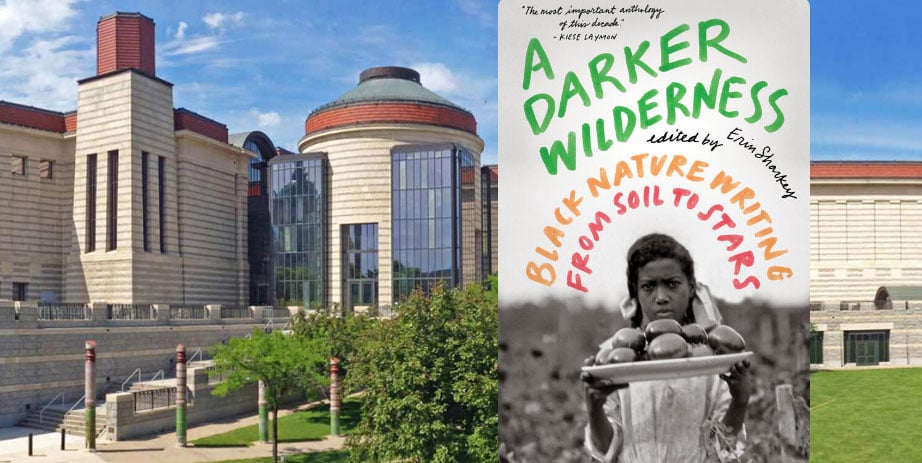
Booked on Thursdays: "A Darker Wilderness: Black Nature Writing from Soil to Stars"
Thursday, February 26, 2026
This free event at the Minnesota History Center offers an informal space to connect with people who share interests related to book themes and also learn about resources related to the history of communities featured in the selected book. February’s featured book is A Darker Wilderness: Black Nature Writing from Soil to Stars by Erin Sharkey. Registration is recommended.
Funding provided by the State of Minnesota's Legacy Amendment's Arts and Cultural Heritage Fund, through the vote of Minnesotans on Nov. 4, 2008, and our generous donors and members.
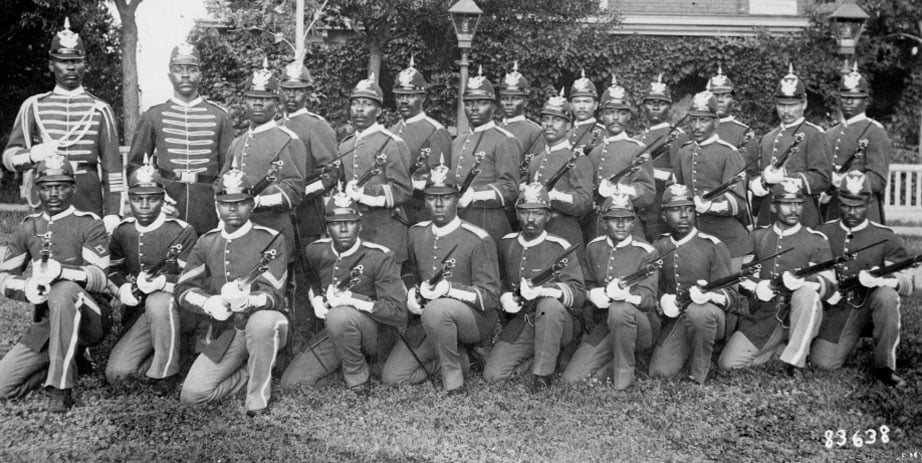
Coffee Chat: 25th Infantry
Thursday, February 26 and Saturday, February 28, 2026
Historic Fort Snelling hosts a coffee chat about the Twenty-Fifth Infantry Regiment (“Buffalo Soldiers”). Assigned to Fort Snelling from 1882-1888, the soldiers and musicians of the Twenty-Fifth Infantry Regiment (“Buffalo Soldiers”) contributed to the rich social and cultural life of Black communities in the Twin Cities and beyond.
Attendees will learn about the Band’s participation in Emancipation Day celebrations throughout Minnesota and Dakota Territory and the social life of the soldiers at Fort Snelling as seen through archeological evidence and contemporary local newspapers. The program will highlight the story of the Bicycle Corps experiment of 1897, in which 20 soldiers rode fixed gear bicycles 2,000 miles across mountains, rivers, rattlesnakes, and mud. The ticketed chat will also briefly cover the long history of Black service in the US Army, the patriotism of Black soldiers, and the continuing legacy of the Buffalo Soldiers.
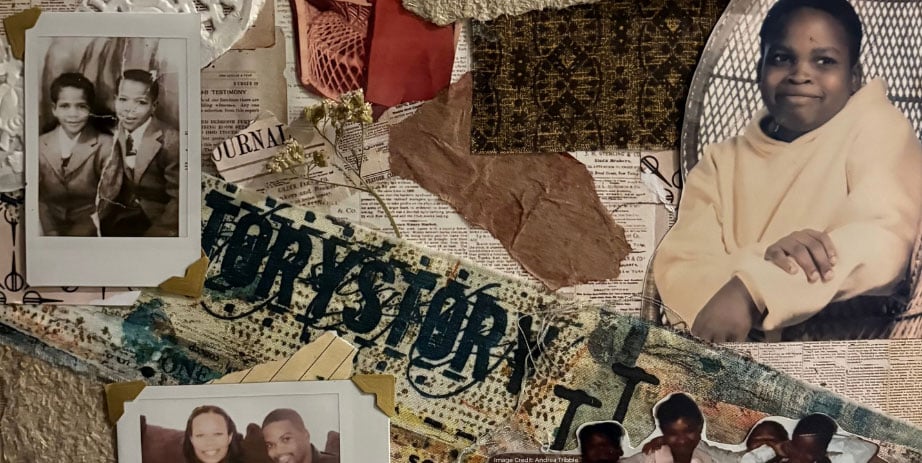
Artist and Archives: Community Collaging Event
Saturday, February 28, 2026
The Minnesota History Center invites guests to participate in a hands-on community archiving collaging event. Event attendees can bring copies of photos, letters, flyers, or stories that reflect their lived experiences, families, and neighborhoods. Collages will be created using copies of archives made on-site. Through collage-making, the program will explore how everyday materials can preserve culture, identity, and shared memory. No art experience is needed. This is a free event and registration is recommended.
Funding provided by the State of Minnesota's Legacy Amendment's Arts and Cultural Heritage Fund, through the vote of Minnesotans on Nov. 4, 2008, and our generous donors and members.
Music Making History: Queen Bernie, Mother of the Minneapolis Sound
What could bring a dozen luminaries of the Minneapolis Sound back to North Minneapolis for a day of celebration? Find out how Bernadette Anderson, lovingly known as “Queen Bernie,” helped guide a community, led organizations like the Urban League, KMOJ and the YWCA and nurtured a generation of artists the world would come to adore—including music icons Prince and her own son, André Cymone. With a stretch of Russell Ave now renamed Bernadette Anderson Way, Bernadette's legacy continues within the North Side community and beyond.
Music Making History is funded by a grant from the Manitou Fund.
Minnesota Unraveled - Ringside: Histories of Boxing in the Twin Cities
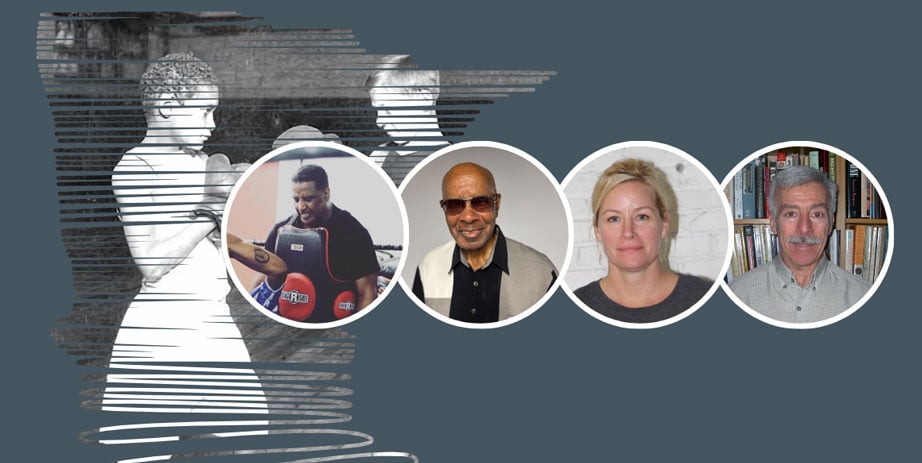
According to the history books, boxing faded from the spotlight decades ago. But in Minnesota, the gloves never came off. Host Dr. Chantel Rodríguez talks with longtime friends Sankara Frazier and Harry Davis Jr., who carry forward the legacy of their fathers — legendary coach Harry Davis Sr. and boxer Stanley Frazier — through their work at Circle of Discipline. And she speaks with Lisa Bauch, a trainer and entrepreneur whose Uppercut Gym helped open the sport to women and newcomers alike. Historian Gerald Gems helps trace the roots of the sport and its arrival in Minnesota. Together, they reflect on how boxing endures in Minnesota, not just as a sport, but as a way to build confidence, discipline, and community.

MNopedia articles
MNopedia is a free digital encyclopedia produced by Minnesota Historical Society staff, volunteers, and commissioned writers. Its more than 1,000 entries cover people, places, events, things, and buildings in the state, including many related to African American history.
Found these resources valuable?
Consider making a donation to help us preserve Minnesota’s history, share its stories, and connect people to the past in meaningful ways.