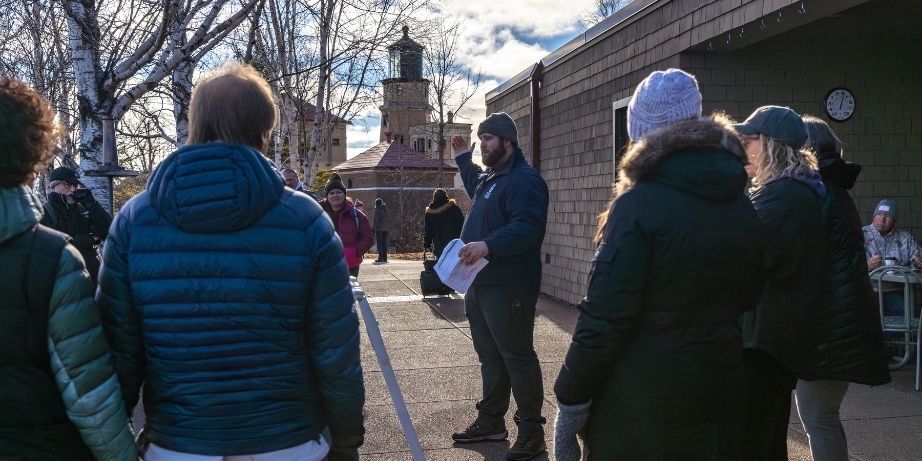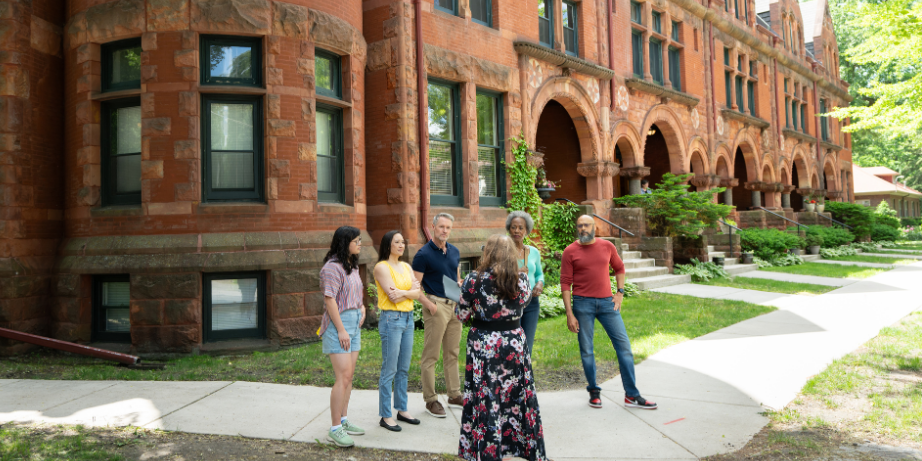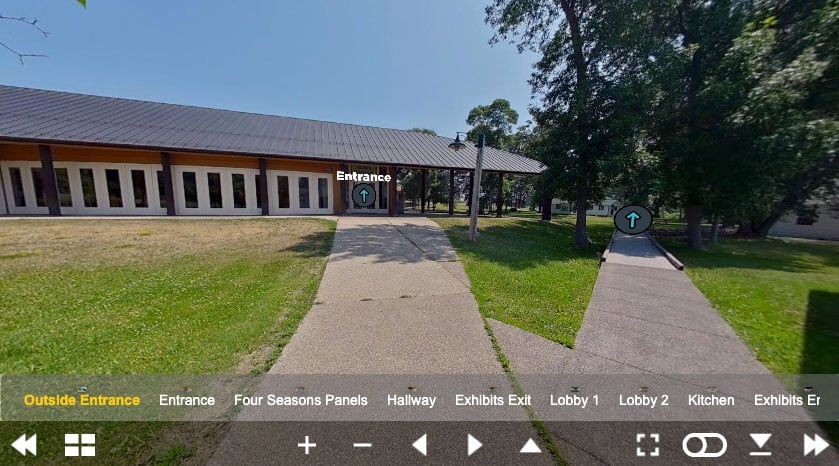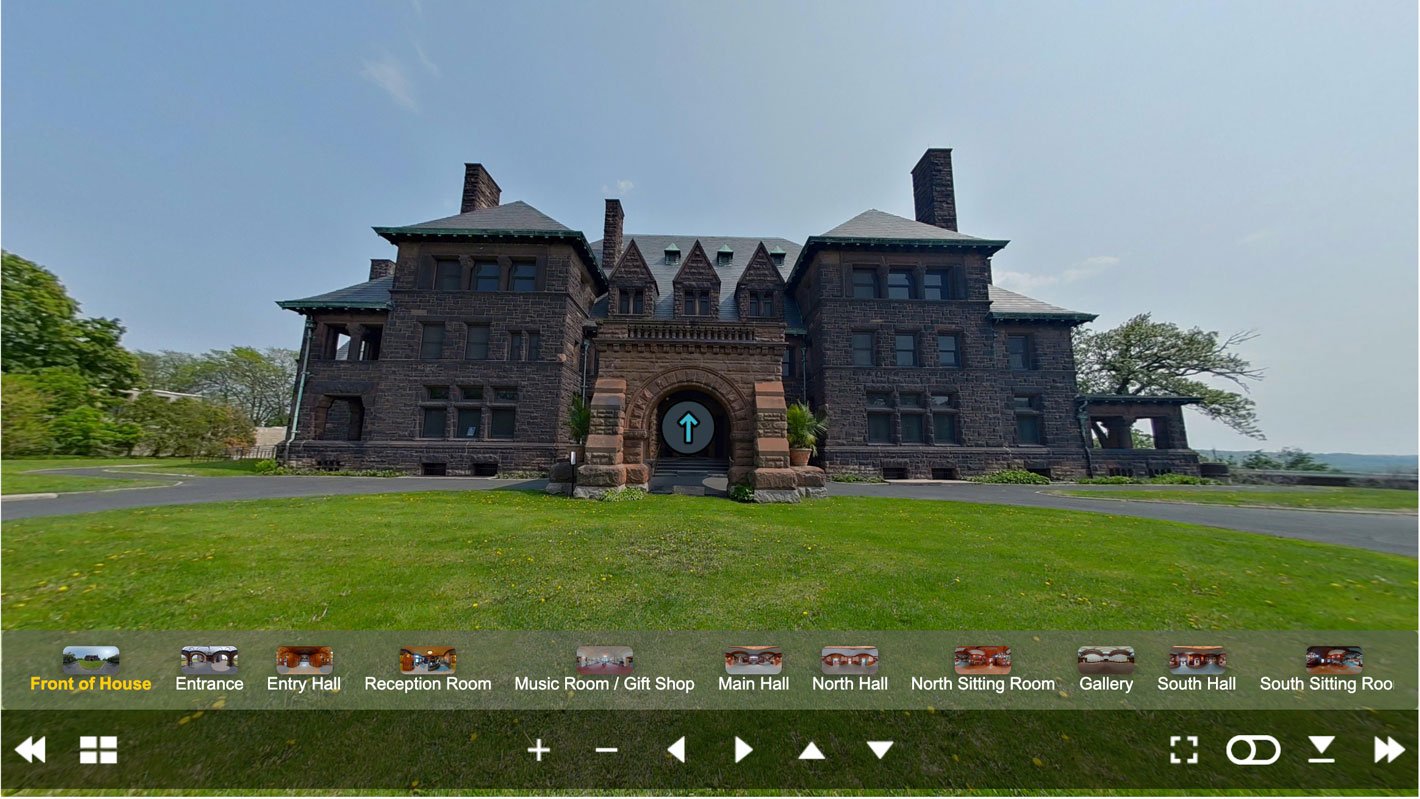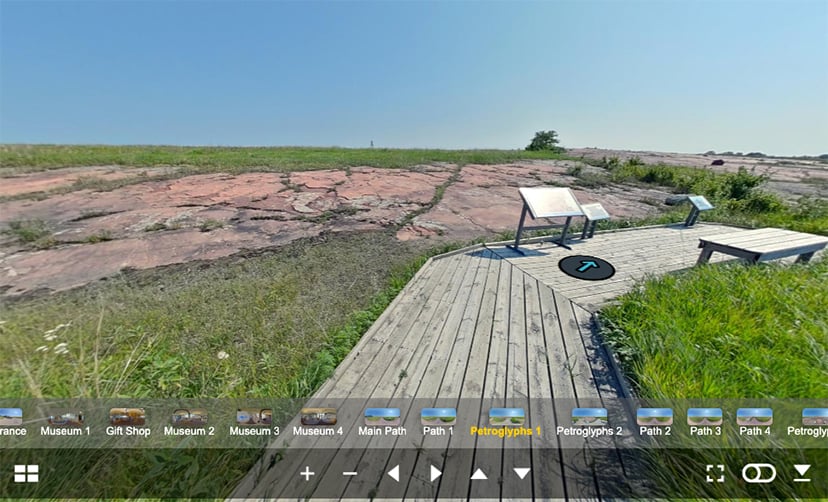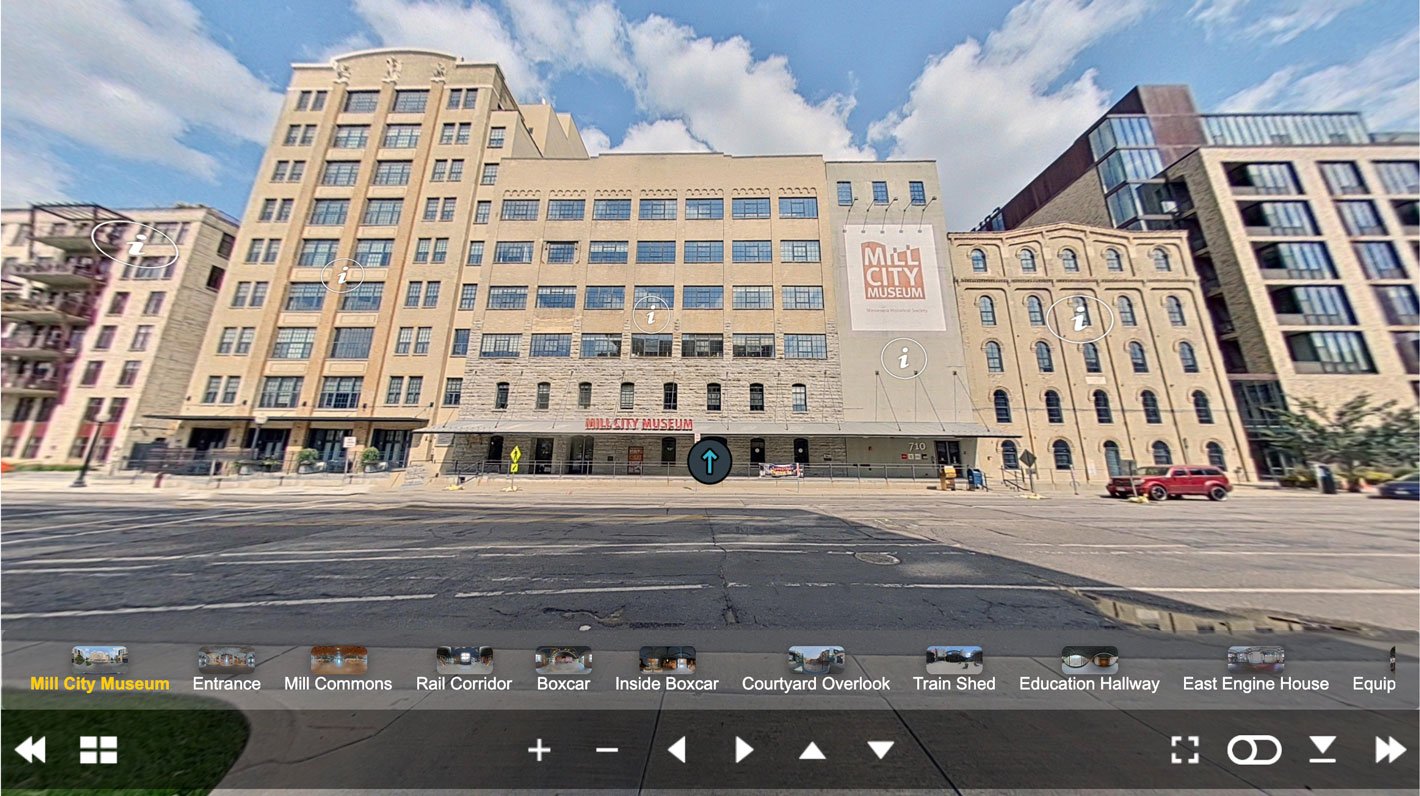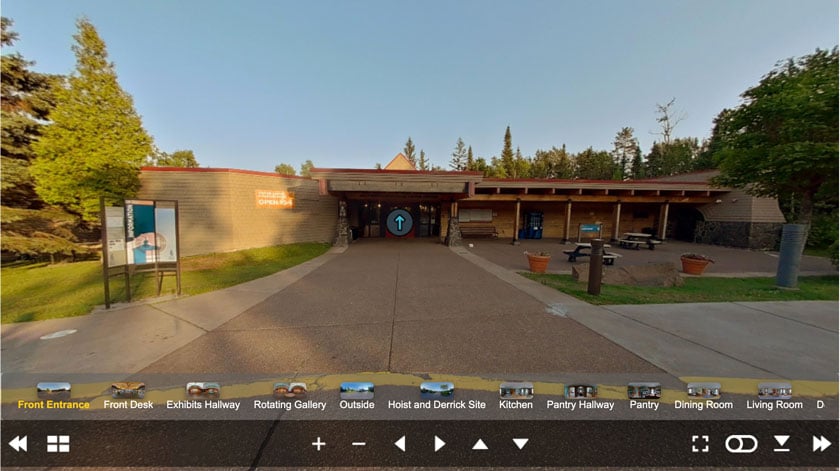
From guided group experiences to seasonal tour events, there are many ways to connect with our historic sites. You can even explore our museums from anywhere in the world through our collection of virtual tours.
Our Twin Cities metro-area sites offer engaging exhibits and hands-on activities to explore Minnesota’s people, places, and history. More than just a change of scenery, these historic sites bring Minnesota’s past to life, guided by experts who make history real. Whether your group is interested in Indigenous history, early statehood, immigration, or industry, we have destinations matched to your interests.
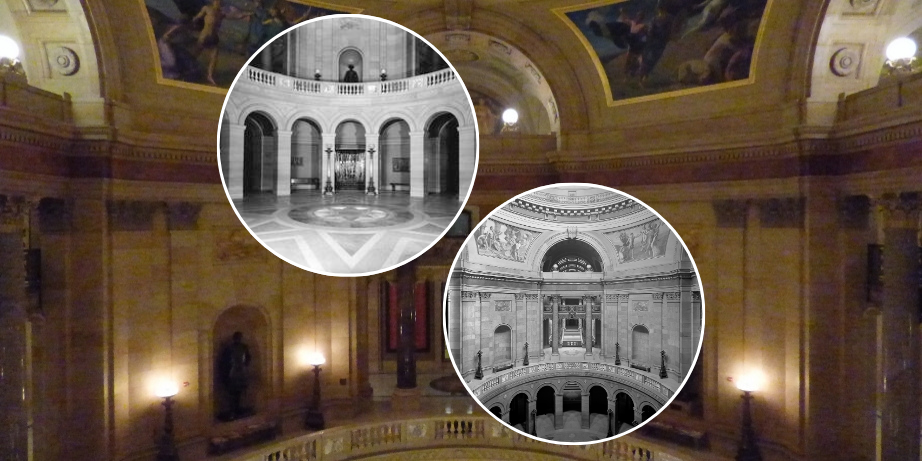
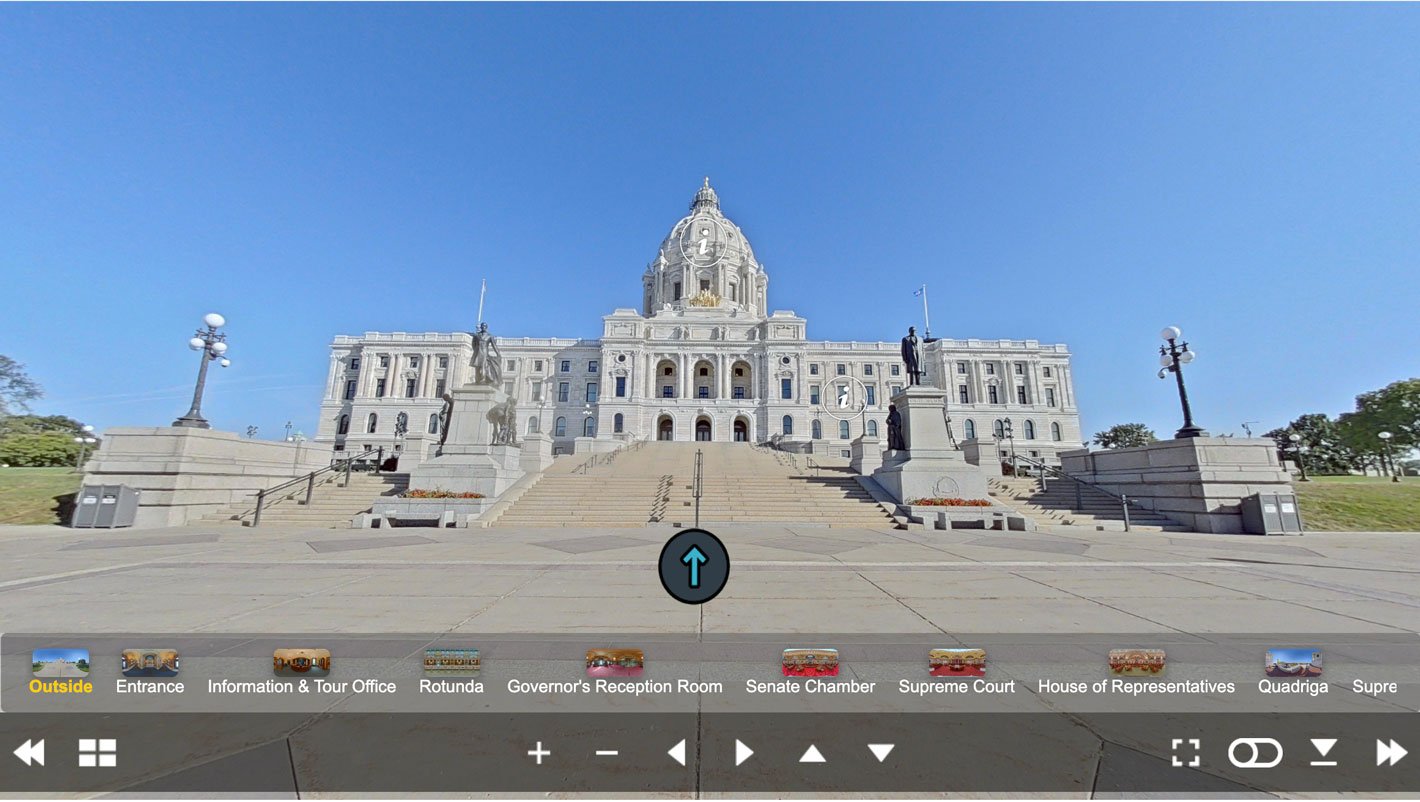
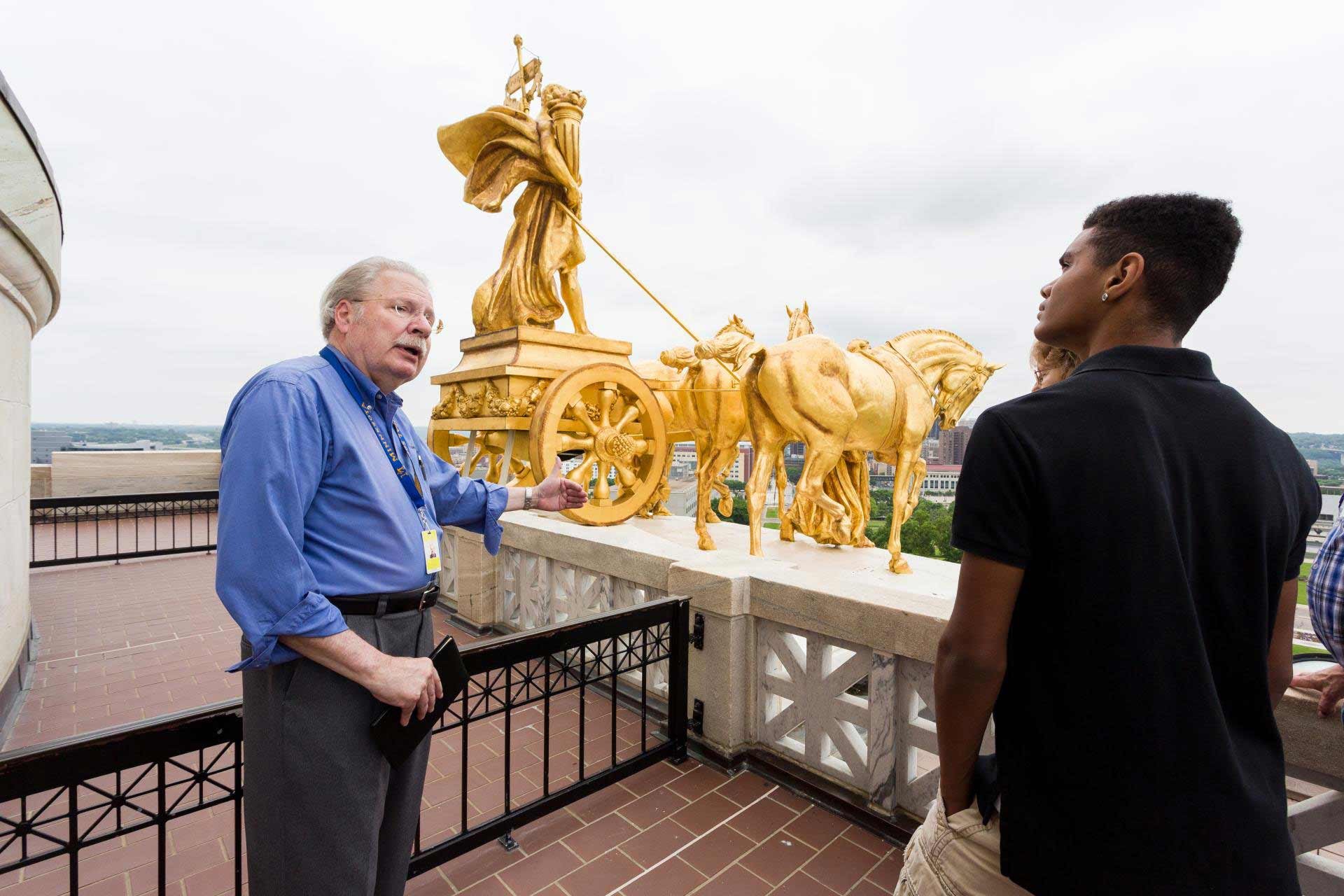
Bring your group of 15 or more to the capitol to learn about its incredible history, art, and architecture and connect with its amazing stories.
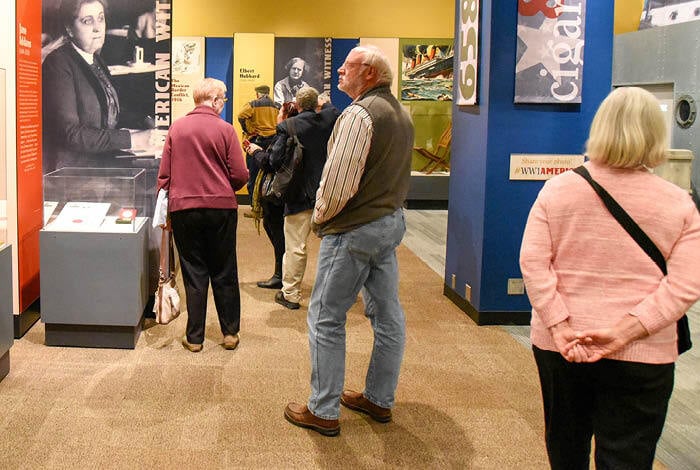
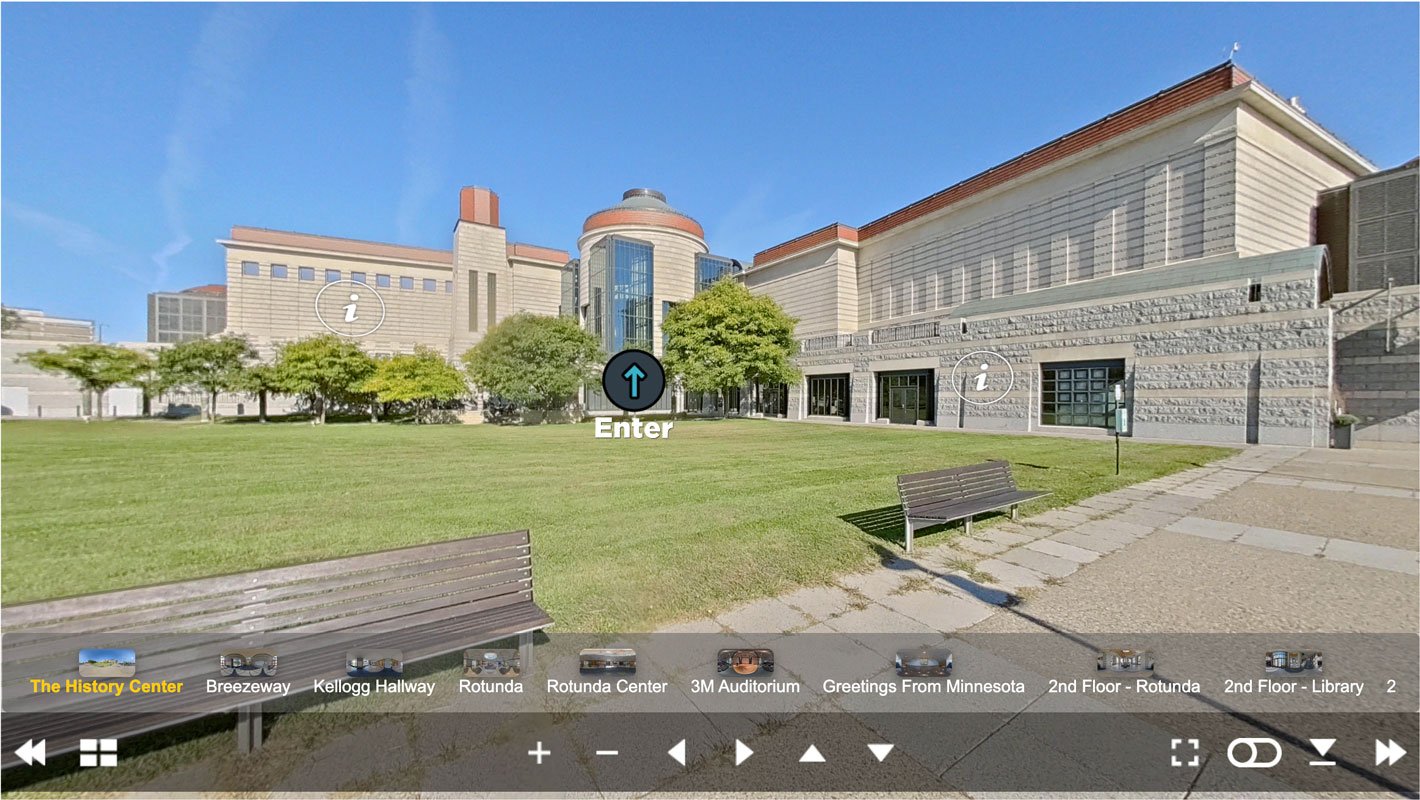
The Minnesota History Center is best enjoyed with others!
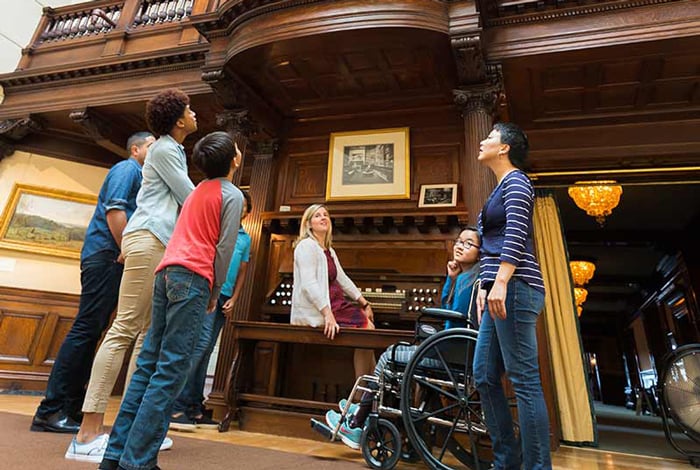
Bring your group to the Hill House for a private tour. Open year round for adult group tours and school field trips.
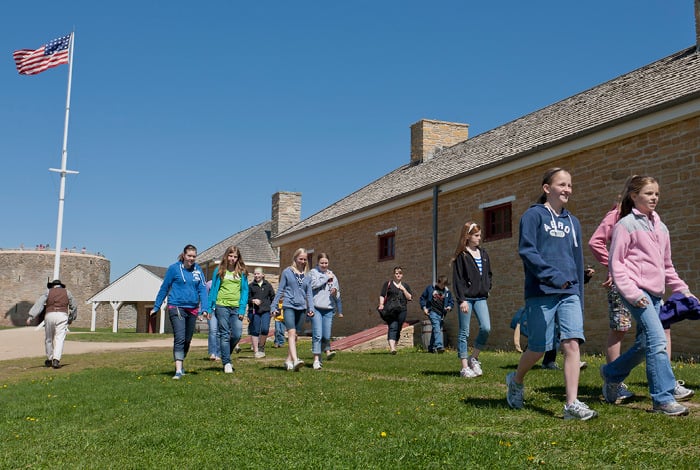
Bring your group of 10 or more adults to Historic Fort Snelling and receive reduced admission.
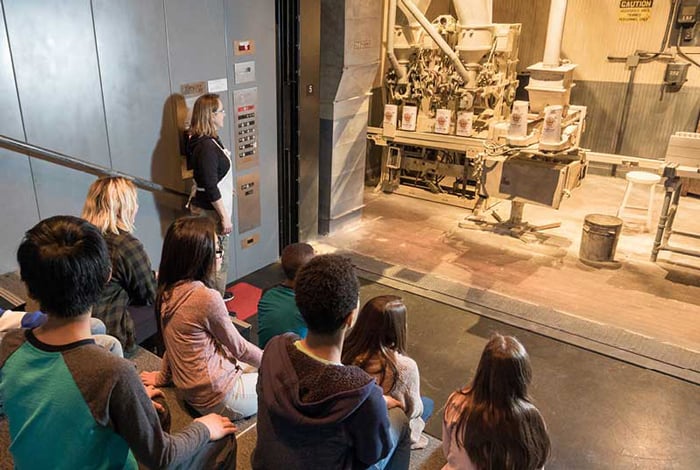
Bring your group of 10 or more adults to Mill City Museum and receive reduced admission.
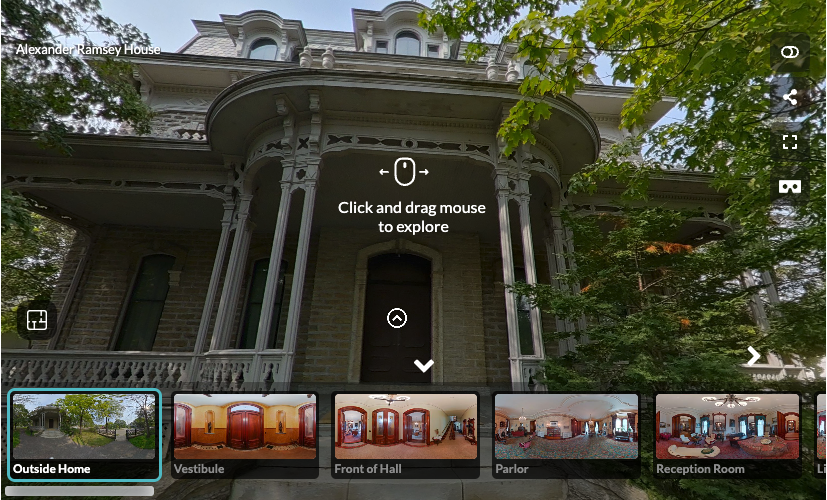
Can’t visit us in person? Connect with these historic locations from the comfort of your own home!
Built in the 1870s as the dream home of Minnesota’s second governor, Alexander Ramsey, and his wife Anna, the handsome native limestone home was one of the first in St. Paul to receive running water, piped in from Lake Phalen.
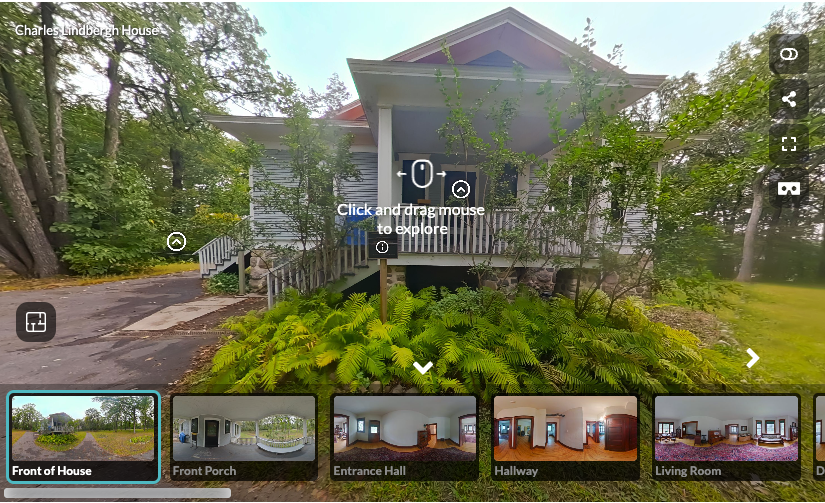
Transport yourself to Little Falls in the early 20th century with a virtual tour of famed aviator Charles Lindbergh’s childhood home. Built in 1906, the house features original family objects and furnishings.
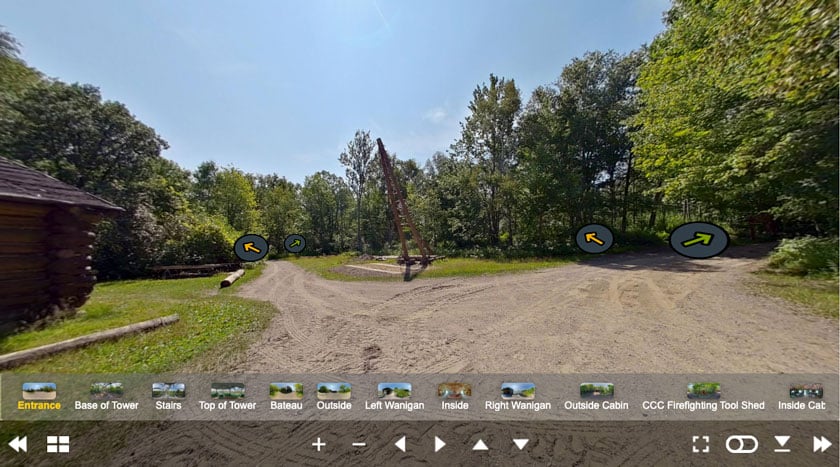
The north woods is an amazingly diverse and constantly evolving ecosystem. Explore a recreated 1900 logging camp and learn about Minnesota's forests of yesterday and today.
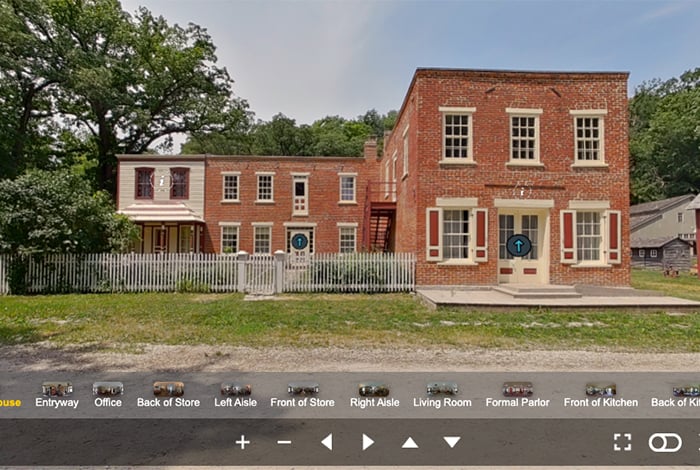
Forestville’s first settler-colonists arrived in 1853 and by 1860, the town had more than 150 residents and boasted 20 houses, a school, two sawmills, a gristmill, a blacksmith shop, a store, two hotels, a distillery, and a cabinetry shop.
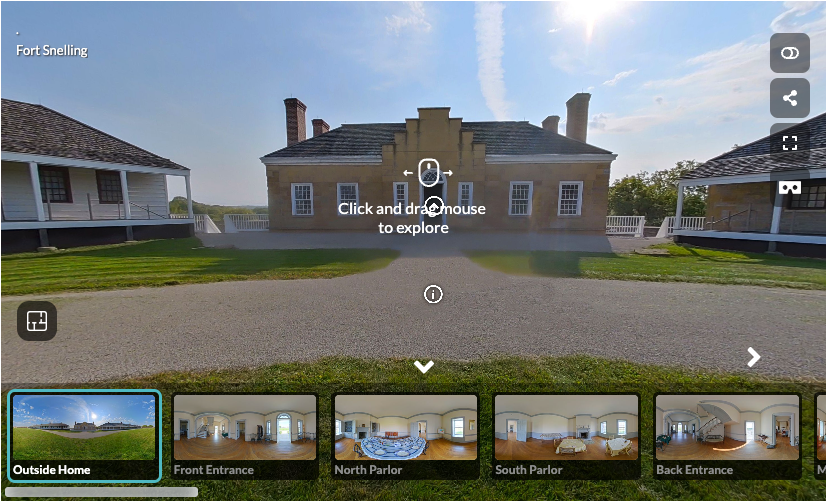
Peek behind the curtains into the spaces of the Commandant’s House, where the fort's constructor slept and entertained; clerks and regimental staff gathered for work; and enslaved people and servants toiled around the hearth.
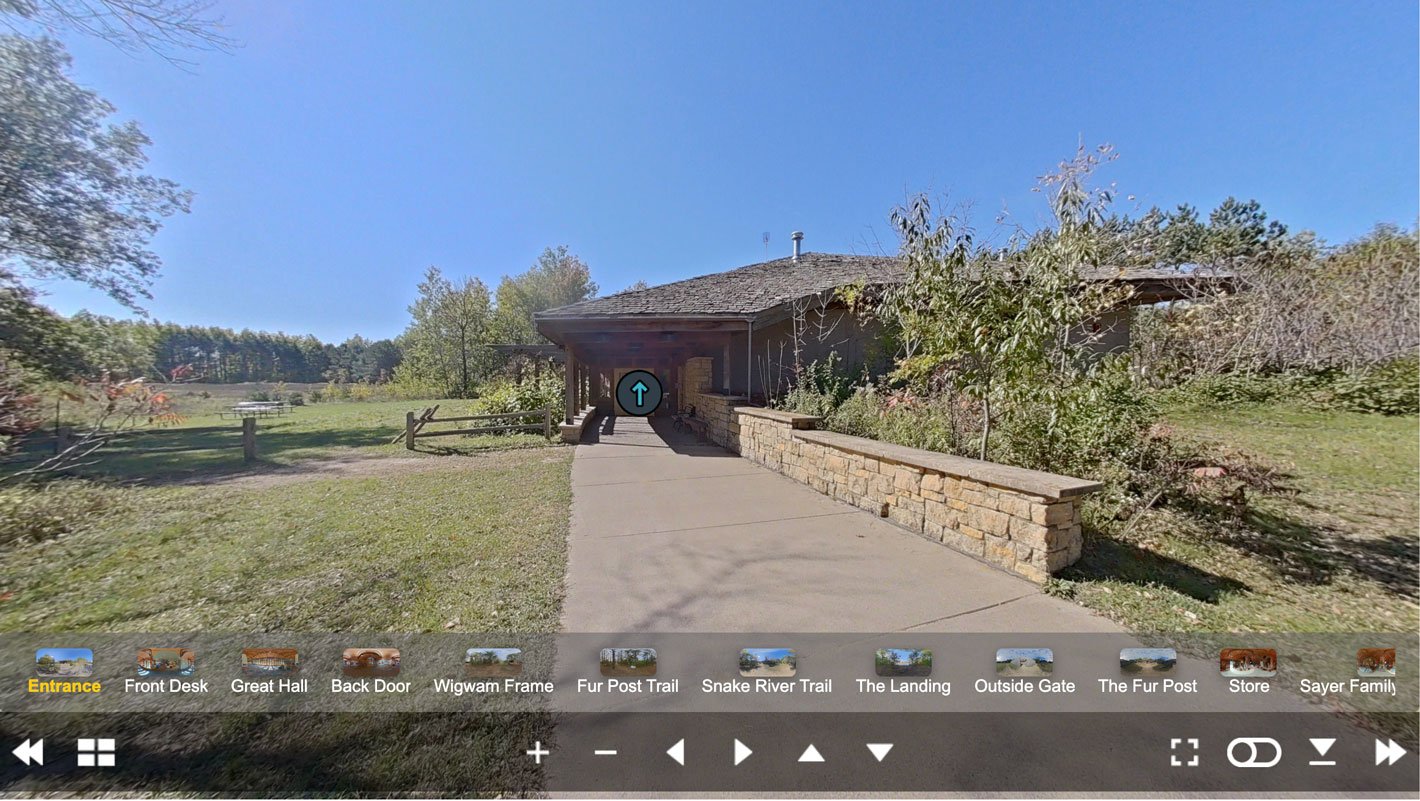
Explore the story of the Mille Lacs Band of Ojibwe through museum exhibits, objects, demonstrations, and tours, and shop for locally made Native American arts and crafts in the restored 1930s trading post.
Built for railroad titan James J. Hill, this 36,000-square-foot Gilded Age mansion was once the largest private residence in the state. Explore why the house was a symbol of success, personal taste, and family life.
Jeffers Petroglyphs is home to about 5,000 sacred rock carvings, also called petroglyphs, made by the ancestors of today’s Native Americans. Petroglyphs are found worldwide, but the petroglyphs at Jeffers make up one of the oldest continuously used sacred sites in the world.
Soon after Minneapolis was born on the Mississippi's west bank, the city's flour milling industry skyrocketed. Powered by the mighty river and fed by boxcars of grain rolling in from the plains, the industry gave Minneapolis bragging rights as the “Flour Milling Capital of the World.” Explore where old mingles with new at Mill City Museum, built into the ruins of what was once the world’s largest flour mill.
From the stones of the building to the spaces indoors and out, the artwork and architecture of the Minnesota History Center are filled with symbolism that recognizes the stories and characters of the state.
A 1905 masterpiece returned to its original grandeur. Connect with this landmark building designed by Cass Gilbert through its amazing stories — and learn about its incredible architecture, art and history.
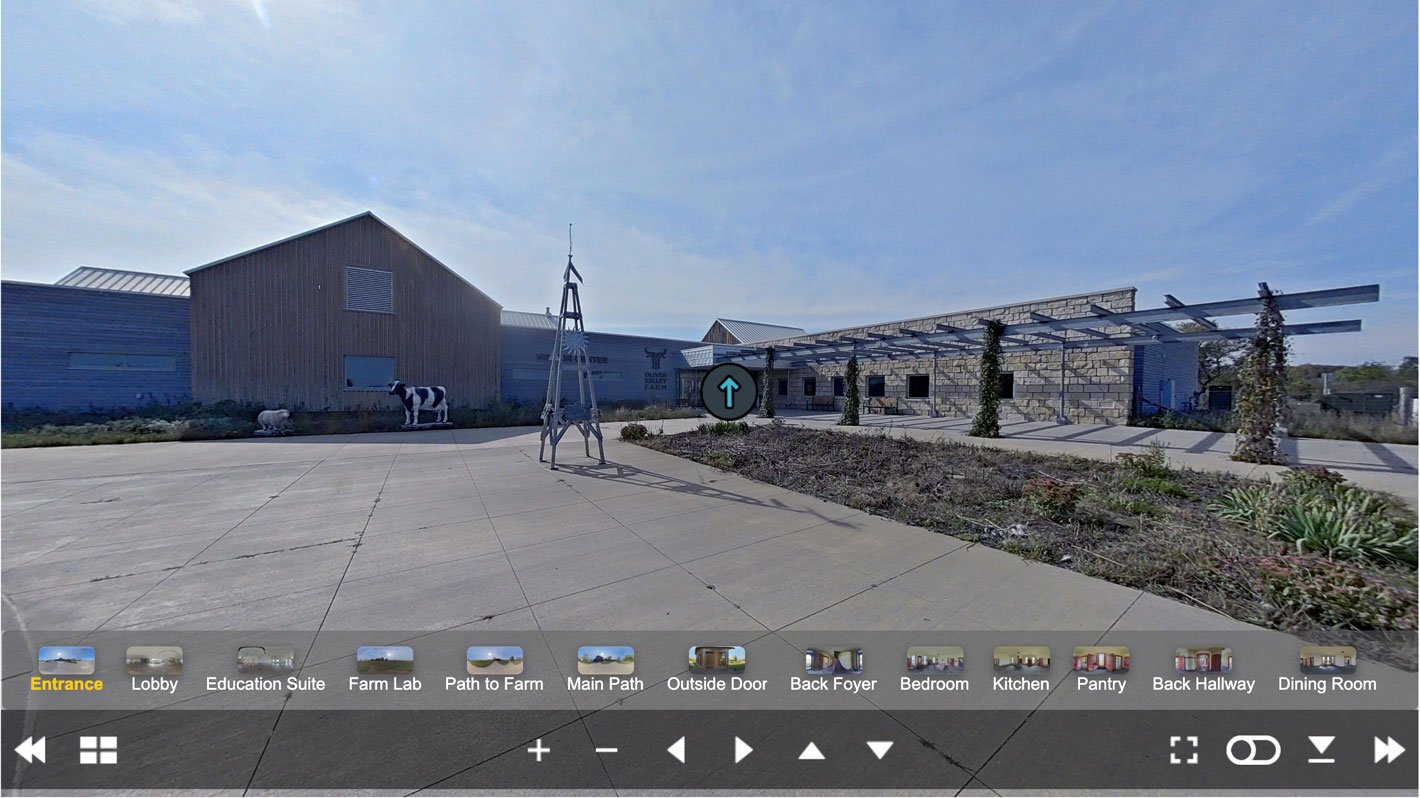
Be immersed in the world of 1860s farming, when agriculture in Minnesota looked very different than it does today. Explore the second Kelley home, the barn, animal pens, and more.
Step into the fur trader’s shop and see where the traders and voyageurs slept, visit a historic Ojibwe encampment and catch a glimpse of the Ginebig-ziibi (Snake River.)
Nestled in a Minnesota State Park, Split Rock Lighthouse is one of the most photographed and visited spots in the state, with a drama-filled history and breathtaking Lake Superior views.