MNopedia — A resource for reliable information about significant people, places, events and things in Minnesota history.

Minnesota Lynx

The women's basketball team that won four WNBA championship titles in six years.

Two basketball players stand side by side, clasping two of their hands together.

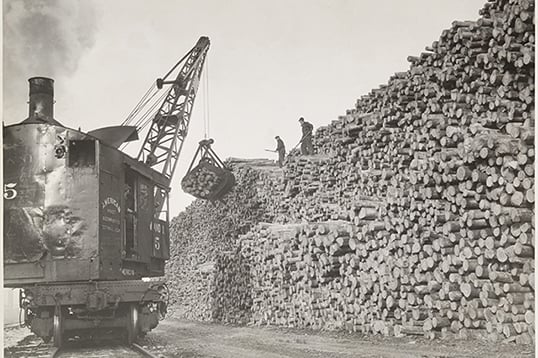
Virginia and Rainy Lake Company

The Minnesota firm that became the world's largest white pine lumber company overnight

A four-story sawmill with a green roof, red walls, and pairs of windows across the horizontal access. People are in the foreground.

Fort Ridgely

A US military base in Nicollet County that operated between 1853 and 1867

View of Fort Ridgey with stone foundation ruins in the foreground, a one-story building with two doors and six windows in the middleground next to a stone pillar, and a grey sky in the background.

Ȟaȟá Wakpádaŋ (Bassett Creek)

A waterway that flows through nine Minnesota cities

Creek with bright green foliage on either side and a blue sky with clouds above.

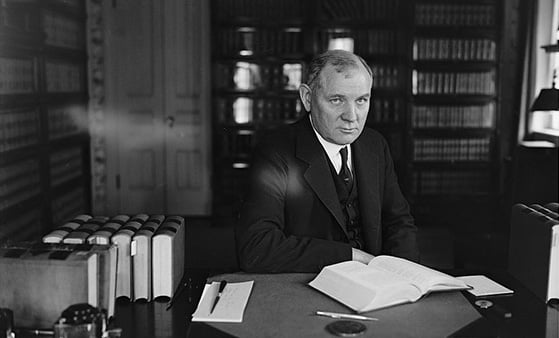
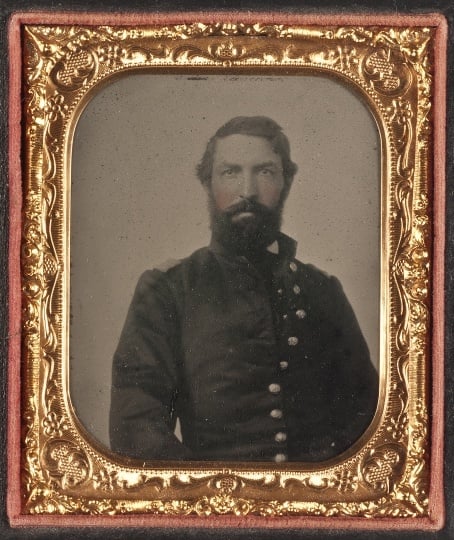
Stewart, Jacob Henry (1829–1884)

A doctor, mayor, congressman, and Civil War veteran

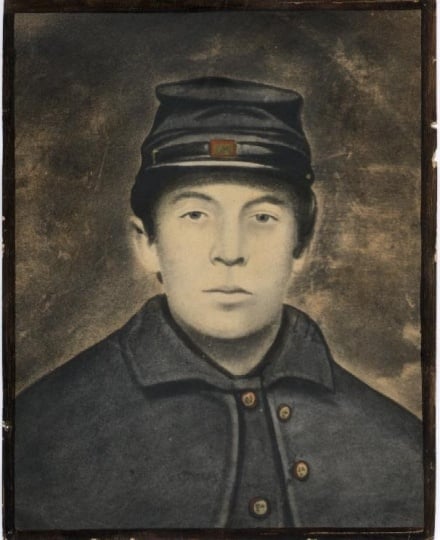
10247870.640x640_hero

Peterson Bluebird Nest Box

A conservation success story that started in Brooklyn Center

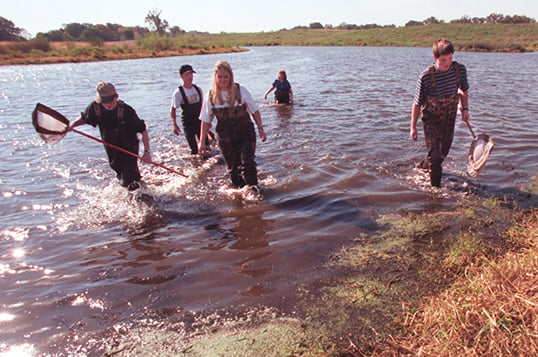
A field showing grass and trees in different shades of green. Three orange butterflies alight on stalks of flowers in the foreground.

Strutwear Knitting Company Strike

The longest of three major labor disputes in Minneapolis between 1935 and 1936

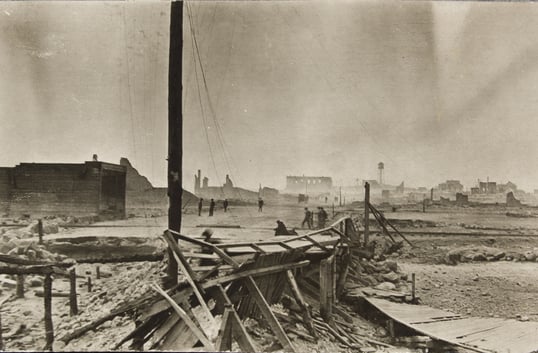
Strutwear Knitting Company strike

Bohemian Flats

A resilient immigrant community in Minneapolis that outlasted floods and disease

Bohemain Flats

Recently Added Articles

Canoe paddlers wait at the shoreline of a lake to start a race as spectators look on.
Creator: Frank Bures
First Published: March 03, 2026
Conceived as a way to launch the inaugural Aquatennial Celebration, the Paul Bunyan Canoe Derby was a 450-mile race that took place on the Mississippi River between 1940 and 1960. Teams of ...
The torsos, heads, and hands of two men wearing ties. Both men are holding and looking at a piece of paper.
Creator: Paul Nelson
First Published: February 18, 2026
From its founding in 1903 until the mid-1930s, the Citizens Alliance of Minneapolis fought organized labor with vigor, determination, imagination, and money. It scored victory after ...

This Day in Minnesota History (March 06)

1852

Hennepin County is formed, named for Louis Hennepin, the Franciscan missionary who saw and named the Falls of St. Anthony in 1680.

1857

The US Supreme Court delivers the Dred Scott decision, in which the justices declare that enslaved Missouri man Dred Scott, not being a citizen, has no right to bring suit. Scott had lived at Fort Snelling and in other "free" areas with his owner, Dr. John Emerson, and he claimed that residence in free states and territories made him a free man. While living at Fort Snelling from 1836 to 1838, Scott married Harriet Robinson, an enslaved woman owned by Indian agent Lawrence Taliaferro.

1862

Henry B. Whipple, the Episcopal bishop of Minnesota, writes a letter to President Abraham Lincoln on behalf of the Dakota people of the state, describing corruption among agents of the US Bureau of Indian Affairs and asking for "justice for a wronged and neglected race." The US–Dakota War of 1862 began in Minnesota later that year.

1868

Grant, Lyon, and Wilkin Counties are formed out of Lac qui Parle County, which ceases to exist (see March 6, 1871). Grant and Lyon are named for Civil War Generals Ulysses S. Grant and Nathaniel Lyon. Wilkin County had previously been named for Robert Toombs, who later became a Confederate leader. The county was then named Andy Johnson, for the president, but his political attitude disturbed the county's residents, leading them to adopt the present name, which honors Colonel Alexander Wilkin. (See entry for July 14).

1871

The name Lac qui Parle is given to a new county. The name, French for "lake that talks," likely refers to echoes among the bluffs surrounding the lake of the same name and comes from the Dakota place name (Mde Iaúdaŋ, Small Lake That Speaks) that predates it. Yellow Medicine County is also formed, named for the root of the moonseed, called pejuta zi (yellow medicine) by Dakota people and used as a medicinal herb.

2000

Duluth becomes the first city in the nation to ban the sale of mercury thermometers (to prevent the element from polluting the environment). Minnesota had prohibited use of mercury thermometers in hospitals in 1992.

History Near You

Choose a location on the map to see history near you.

Please wait, the pin is being added to the map.

Find this resource helpful?

Make a donation to support our work preserving and sharing the places, artifacts and stories that make Minnesota’s history meaningful.