

Virginia and Rainy Lake Company
Creator:
Hayden Nelson
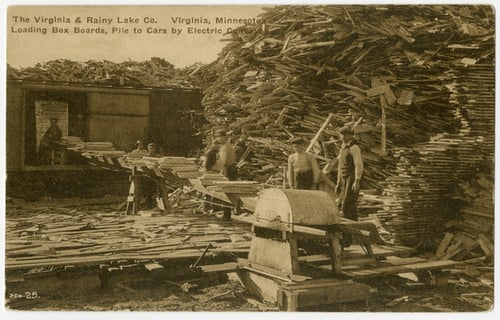
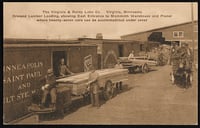
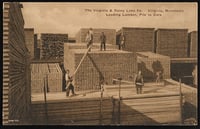
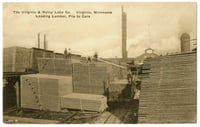
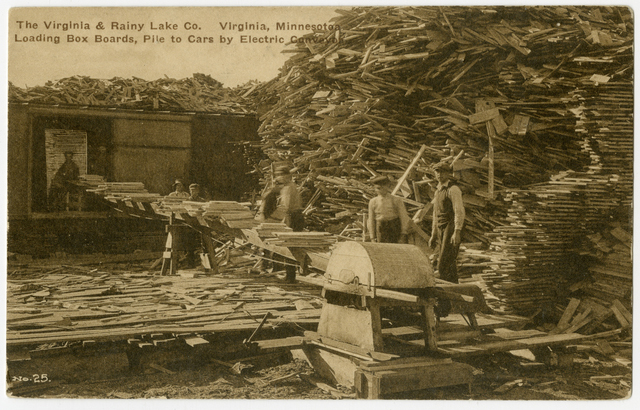
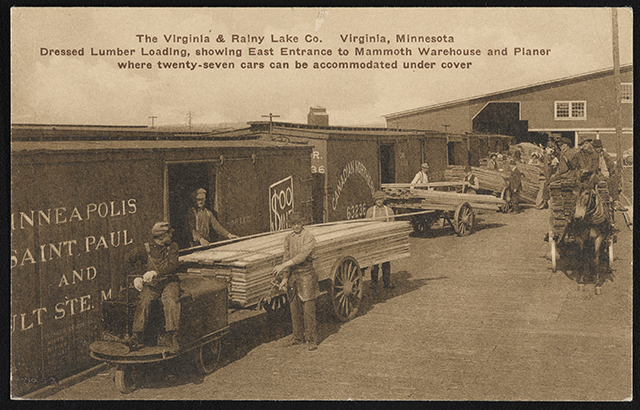
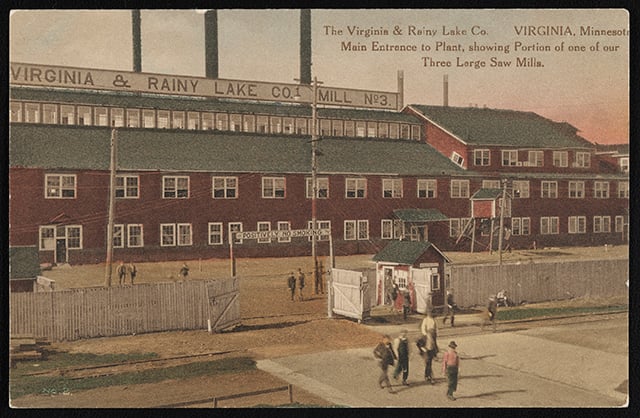
Workers load lumber into a rail car via an electric conveyor belt at a site operated by the Virginia and Rainy Lake Company, ca. 1928.
Bibliography
“Around the Twin Cities.” Mississippi Valley Lumberman (Minneapolis, MN), April 7, 1893.
“Canadian Northern Spreads Out.” Evening Record (Windsor, ON), December 21, 1908.
“Cloquet Lumber Co. Won.” Mississippi Valley Lumberman (Minneapolis, MN), May 31, 1901.
Eichholz, Duane. “Virginia and Rainy Lake Company.” Originally prepared for History 90, held at the St. Louis County Historical Society, 1954. Copy available at the Minnesota Historical Society as HD9759.V46 E32 1954b.
Engberg, George B. “Collective Bargaining in the Lumber Industry of the Upper Great Lakes States.” Agricultural History 24, no. 4 (October 1950): 204–211.
“For Sale: 200 Sets of Heavy Logging Harnesses.” Spokesman-Review (Spokane, WA), October 1, 1929.
“Great Damage from Forest Fires.” Mississippi Valley Lumberman (Minneapolis, MN), June 23, 1893.
Gregar, Courtney. “Weyerhaeuser, Frederick (1834–1914).” MNopedia, April 10, 2017.
https://www.mnhs.org/mnopedia/search/index/person/weyerhaeuser-frederick-1834-1914
Haynes, John E. “Revolt of the ‘Timber Beasts’: IWW Lumber Strike in Minnesota.” Minnesota History 42, no. 5 (Spring 1971): 162–174.
https://storage.googleapis.com/mnhs-org-support/mn_history_articles/42/v42i05p162-174.pdf
Hidy, Ralph W., Frank Ernest Hill, and Allan Nevins. Timber and Men: The Weyerhaeuser Story. MacMillan Company, 1963.
“Large Northern Mill, Cut Out, Goes on Auction Block.” American Lumberman (Chicago, IL), October 13, 1934.
“Largest Pine Mills Saws Last Log.” American Lumberman (Chicago, IL), October 19, 1929.
Larson, Agnes M. History of the White Pine Industry in Minnesota. University of Minnesota Press, 1949.
LaVigne, David. “Mesabi Iron Range Strike, 1916.” MNopedia, October 14, 2015.
https://www.mnhs.org/mnopedia/search/index/event/mesabi-iron-range-strike-1916
Lewis, James G. “Biographical Portrait: Edward Hines (1863–1931).” Forest History Today (Spring/Fall 2004): 64–65.
Lovin, Hugh T. “Moses Alexander and the Idaho Lumber Strike of 1917: The Wartime Ordeal of a Progressive.” Pacific Northwest Quarterly 66, no. 3 (July 1975): 155–122.
“Lumber.” Youngstown Daily Vindicator (Youngstown, OH), June 1, 1926.
“Lumber King is for Low Price.” Spokane Daily Chronicle (Spokane, WA), December 21, 1908.
Millikan, William. “Destruction of Bois Forte Ojibwe Homeland, 1891–1929.” MNopedia, December 4, 2019.
https://www.mnhs.org/mnopedia/search/index/event/destruction-bois-forte-ojibwe-homeland-1891-1929
Oehler, C. M. Time in the Timber. Forest Products History Foundation, Minnesota Historical Society, 1948.
P2334
Frank H. Gillmor papers, 1910–1928, 1948
Manuscripts Collection, Minnesota Historical Society, St. Paul
Description: Business records and correspondence kept by Gillmor, who served as the superintendent of logging for the Virginia & Rainy Lake Lumber Company from 1910 through 1928. Also contains an interview transcript from 1948 with the Forest Products History Foundation.
“Pine Forests of United States Under One Hat.” Duluth Daily Star (Duluth, MN), December 10, 1908.
Rader, Benjamin G. “The Montana Lumber Strike of 1917.” Pacific Historical Review 36, no. 2 (May 1967): 189–207.
“Three Billion Feet of Pine.” Stillwater Daily Gazette (Stillwater, MN), December 22, 1908.
“Timber Deal is Completed Here Today.” Duluth Daily Star (Duluth, MN), December 19, 1908.
“Timber Prices Hold Well.” Boston Evening Transcript (Boston, MA), January 8, 1908.
Tyler, Robert L. “The United States Government as Union Organizer: The Loyal Legion of Loggers and Lumbermen.” Mississippi Valley Historical Review 47, no. 3 (December 1960): 434–451.
Virginia and Rainy Lake Company records, 1901–1965
Manuscripts Collection, Minnesota Historical Society, St. Paul
Description: Minutes (1905–1939), maps and platbooks, deeds, abstracts, and title and tax records of the Virginia and Rainy Lake Company.
Witek, Barbara. “IWW Lumber Strike, 1916–1917.” MNopedia, August 22, 1916.
https://www.mnhs.org/mnopedia/search/index/event/iww-lumber-strike-1916-1917
Wyatt, Barbara. The Logging Era at Voyageurs National Park Historic Contexts and Property Types. Midwest Support Office, National Park Service, 1999.
“Canadian Northern Spreads Out.” Evening Record (Windsor, ON), December 21, 1908.
“Cloquet Lumber Co. Won.” Mississippi Valley Lumberman (Minneapolis, MN), May 31, 1901.
Eichholz, Duane. “Virginia and Rainy Lake Company.” Originally prepared for History 90, held at the St. Louis County Historical Society, 1954. Copy available at the Minnesota Historical Society as HD9759.V46 E32 1954b.
Engberg, George B. “Collective Bargaining in the Lumber Industry of the Upper Great Lakes States.” Agricultural History 24, no. 4 (October 1950): 204–211.
“For Sale: 200 Sets of Heavy Logging Harnesses.” Spokesman-Review (Spokane, WA), October 1, 1929.
“Great Damage from Forest Fires.” Mississippi Valley Lumberman (Minneapolis, MN), June 23, 1893.
Gregar, Courtney. “Weyerhaeuser, Frederick (1834–1914).” MNopedia, April 10, 2017.
https://www.mnhs.org/mnopedia/search/index/person/weyerhaeuser-frederick-1834-1914
Haynes, John E. “Revolt of the ‘Timber Beasts’: IWW Lumber Strike in Minnesota.” Minnesota History 42, no. 5 (Spring 1971): 162–174.
https://storage.googleapis.com/mnhs-org-support/mn_history_articles/42/v42i05p162-174.pdf
Hidy, Ralph W., Frank Ernest Hill, and Allan Nevins. Timber and Men: The Weyerhaeuser Story. MacMillan Company, 1963.
“Large Northern Mill, Cut Out, Goes on Auction Block.” American Lumberman (Chicago, IL), October 13, 1934.
“Largest Pine Mills Saws Last Log.” American Lumberman (Chicago, IL), October 19, 1929.
Larson, Agnes M. History of the White Pine Industry in Minnesota. University of Minnesota Press, 1949.
LaVigne, David. “Mesabi Iron Range Strike, 1916.” MNopedia, October 14, 2015.
https://www.mnhs.org/mnopedia/search/index/event/mesabi-iron-range-strike-1916
Lewis, James G. “Biographical Portrait: Edward Hines (1863–1931).” Forest History Today (Spring/Fall 2004): 64–65.
Lovin, Hugh T. “Moses Alexander and the Idaho Lumber Strike of 1917: The Wartime Ordeal of a Progressive.” Pacific Northwest Quarterly 66, no. 3 (July 1975): 155–122.
“Lumber.” Youngstown Daily Vindicator (Youngstown, OH), June 1, 1926.
“Lumber King is for Low Price.” Spokane Daily Chronicle (Spokane, WA), December 21, 1908.
Millikan, William. “Destruction of Bois Forte Ojibwe Homeland, 1891–1929.” MNopedia, December 4, 2019.
https://www.mnhs.org/mnopedia/search/index/event/destruction-bois-forte-ojibwe-homeland-1891-1929
Oehler, C. M. Time in the Timber. Forest Products History Foundation, Minnesota Historical Society, 1948.
P2334
Frank H. Gillmor papers, 1910–1928, 1948
Manuscripts Collection, Minnesota Historical Society, St. Paul
Description: Business records and correspondence kept by Gillmor, who served as the superintendent of logging for the Virginia & Rainy Lake Lumber Company from 1910 through 1928. Also contains an interview transcript from 1948 with the Forest Products History Foundation.
“Pine Forests of United States Under One Hat.” Duluth Daily Star (Duluth, MN), December 10, 1908.
Rader, Benjamin G. “The Montana Lumber Strike of 1917.” Pacific Historical Review 36, no. 2 (May 1967): 189–207.
“Three Billion Feet of Pine.” Stillwater Daily Gazette (Stillwater, MN), December 22, 1908.
“Timber Deal is Completed Here Today.” Duluth Daily Star (Duluth, MN), December 19, 1908.
“Timber Prices Hold Well.” Boston Evening Transcript (Boston, MA), January 8, 1908.
Tyler, Robert L. “The United States Government as Union Organizer: The Loyal Legion of Loggers and Lumbermen.” Mississippi Valley Historical Review 47, no. 3 (December 1960): 434–451.
Virginia and Rainy Lake Company records, 1901–1965
Manuscripts Collection, Minnesota Historical Society, St. Paul
Description: Minutes (1905–1939), maps and platbooks, deeds, abstracts, and title and tax records of the Virginia and Rainy Lake Company.
Witek, Barbara. “IWW Lumber Strike, 1916–1917.” MNopedia, August 22, 1916.
https://www.mnhs.org/mnopedia/search/index/event/iww-lumber-strike-1916-1917
Wyatt, Barbara. The Logging Era at Voyageurs National Park Historic Contexts and Property Types. Midwest Support Office, National Park Service, 1999.
Related Images
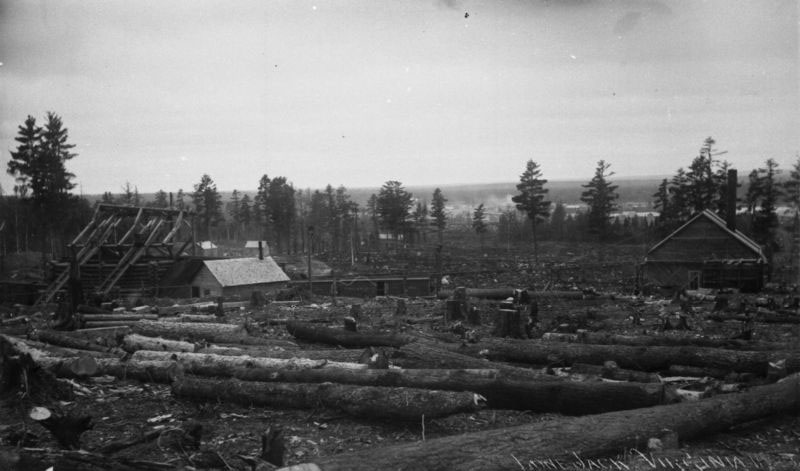
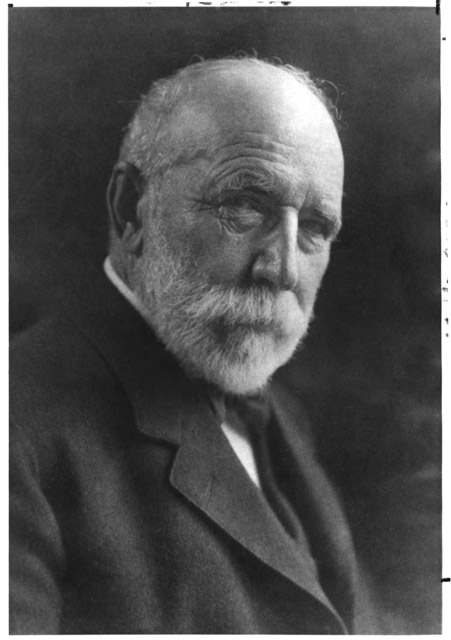
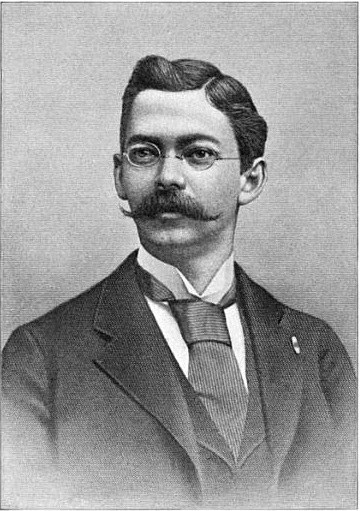
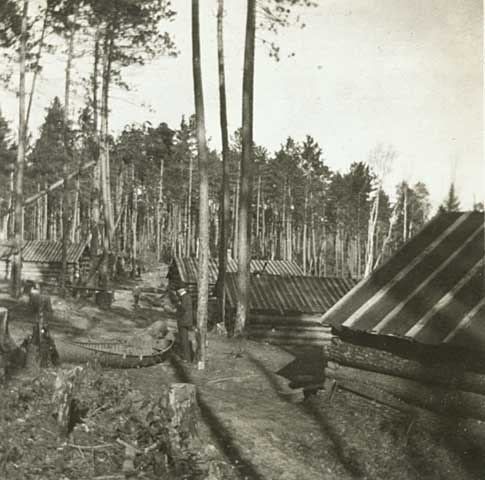
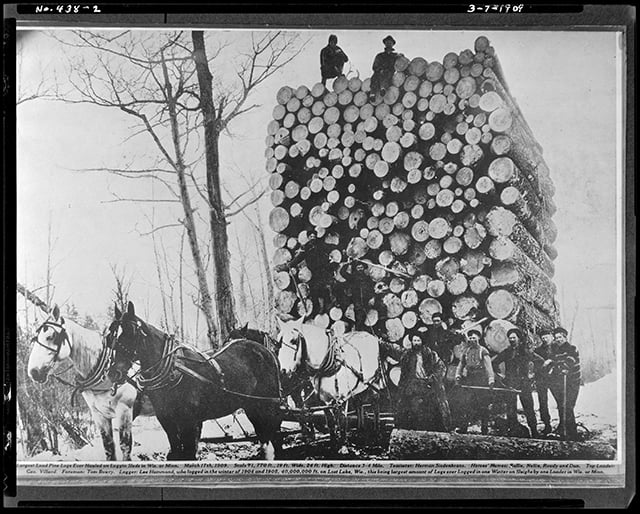
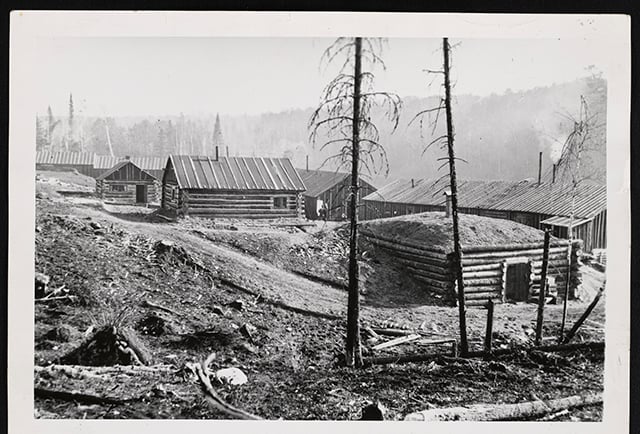
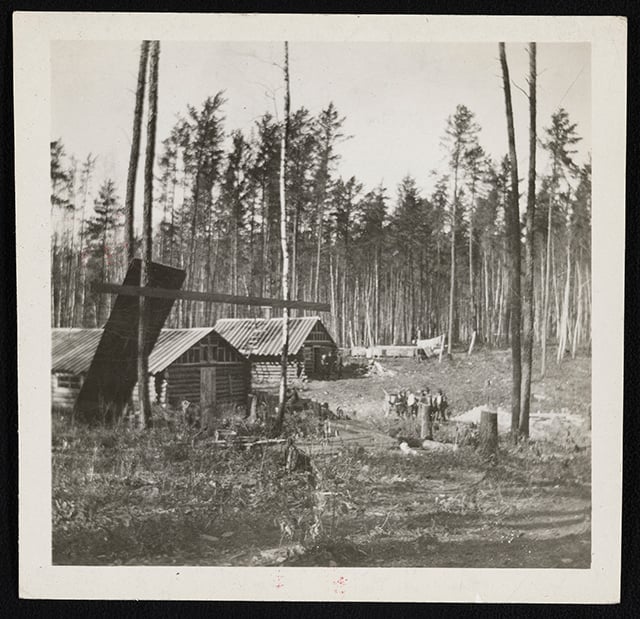
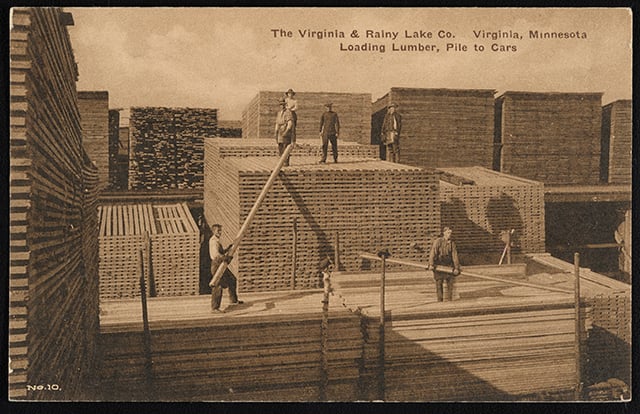
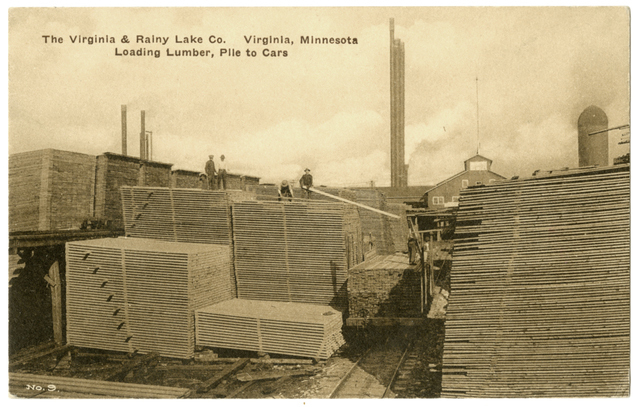
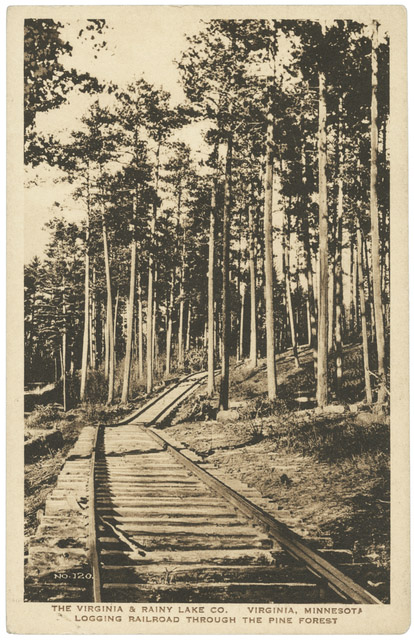
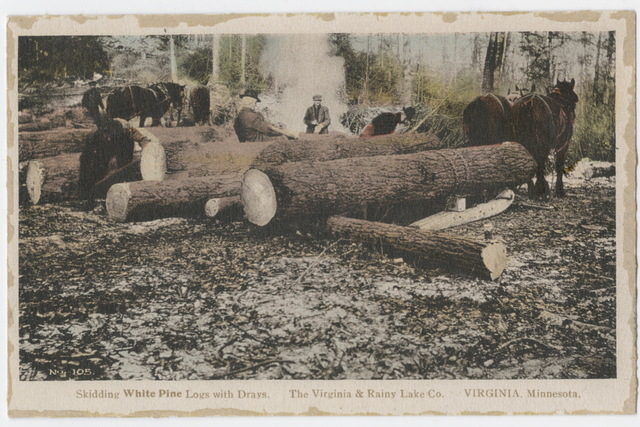
Chronology
1893
Early commercial logging operations begin at Virginia, Minnesota.
1893
A forest fire destroys the city of Virginia.
1900
Another forest fire strikes Virginia.
1901
Construction begins on the Duluth, Virginia, and Rainy Lake Railway (DV&RL).
1905
The Virginia and Rainy Lake Company (V&RL) incorporates, assuming all of the stock and debts of the Virginia Lumber Company; the Duluth, Virginia, and Rainy Lake Railway; and the Minnesota Land and Construction Company.
1905
Shortly after incorporation, the V&RL absorbs the Mulvey and McClure Land and Timber Company. The stock of the V&RL is valued at $1,650,000.
1908
V&RL offloads the Duluth, Virginia, and Rainy Lake Railway to a holding company overseeing the construction of the Canadian Northern Railway. The holding company agrees to build a spur line connecting the DV&RL to the Canadian Northern’s terminal at Winnipeg.
1908
The pine lands of Edward Hines, Frederick Weyerhaeuser, and the Virginia Lumber Company amalgamate under the Virginia and Rainy Lake Company, with Hines as president. The company’s stock value rises to $10,700,000, with its lands valued at nearly $20 million.
1916–1917
A rash of labor strikes hits the lumber industry from Wisconsin to Washington state. The V&RL feels its effects through the 1920 season.
1917
V&RL production peaks at more than 145 million board feet in a season.
1928
Hines purchases nearly 70,000 acres in Oregon’s Blue Mountains containing an estimated 890 million board feet of standing timber. His timber empire now stretches from Canada to the Gulf of Mexico and from Chicago to the Pacific Northwest.
1929
The V&RL closes. The company begins the long process of liquidating logging equipment and remaining lumber on hand.
1931
Hines dies in Chicago.
1934
The V&RL finishes auctioning off its remaining logging and milling equipment.
1937
The last log drive in Minnesota is completed.
Bibliography
“Around the Twin Cities.” Mississippi Valley Lumberman (Minneapolis, MN), April 7, 1893.
“Canadian Northern Spreads Out.” Evening Record (Windsor, ON), December 21, 1908.
“Cloquet Lumber Co. Won.” Mississippi Valley Lumberman (Minneapolis, MN), May 31, 1901.
Eichholz, Duane. “Virginia and Rainy Lake Company.” Originally prepared for History 90, held at the St. Louis County Historical Society, 1954. Copy available at the Minnesota Historical Society as HD9759.V46 E32 1954b.
Engberg, George B. “Collective Bargaining in the Lumber Industry of the Upper Great Lakes States.” Agricultural History 24, no. 4 (October 1950): 204–211.
“For Sale: 200 Sets of Heavy Logging Harnesses.” Spokesman-Review (Spokane, WA), October 1, 1929.
“Great Damage from Forest Fires.” Mississippi Valley Lumberman (Minneapolis, MN), June 23, 1893.
Gregar, Courtney. “Weyerhaeuser, Frederick (1834–1914).” MNopedia, April 10, 2017.
https://www.mnhs.org/mnopedia/search/index/person/weyerhaeuser-frederick-1834-1914
Haynes, John E. “Revolt of the ‘Timber Beasts’: IWW Lumber Strike in Minnesota.” Minnesota History 42, no. 5 (Spring 1971): 162–174.
https://storage.googleapis.com/mnhs-org-support/mn_history_articles/42/v42i05p162-174.pdf
Hidy, Ralph W., Frank Ernest Hill, and Allan Nevins. Timber and Men: The Weyerhaeuser Story. MacMillan Company, 1963.
“Large Northern Mill, Cut Out, Goes on Auction Block.” American Lumberman (Chicago, IL), October 13, 1934.
“Largest Pine Mills Saws Last Log.” American Lumberman (Chicago, IL), October 19, 1929.
Larson, Agnes M. History of the White Pine Industry in Minnesota. University of Minnesota Press, 1949.
LaVigne, David. “Mesabi Iron Range Strike, 1916.” MNopedia, October 14, 2015.
https://www.mnhs.org/mnopedia/search/index/event/mesabi-iron-range-strike-1916
Lewis, James G. “Biographical Portrait: Edward Hines (1863–1931).” Forest History Today (Spring/Fall 2004): 64–65.
Lovin, Hugh T. “Moses Alexander and the Idaho Lumber Strike of 1917: The Wartime Ordeal of a Progressive.” Pacific Northwest Quarterly 66, no. 3 (July 1975): 155–122.
“Lumber.” Youngstown Daily Vindicator (Youngstown, OH), June 1, 1926.
“Lumber King is for Low Price.” Spokane Daily Chronicle (Spokane, WA), December 21, 1908.
Millikan, William. “Destruction of Bois Forte Ojibwe Homeland, 1891–1929.” MNopedia, December 4, 2019.
https://www.mnhs.org/mnopedia/search/index/event/destruction-bois-forte-ojibwe-homeland-1891-1929
Oehler, C. M. Time in the Timber. Forest Products History Foundation, Minnesota Historical Society, 1948.
P2334
Frank H. Gillmor papers, 1910–1928, 1948
Manuscripts Collection, Minnesota Historical Society, St. Paul
Description: Business records and correspondence kept by Gillmor, who served as the superintendent of logging for the Virginia & Rainy Lake Lumber Company from 1910 through 1928. Also contains an interview transcript from 1948 with the Forest Products History Foundation.
“Pine Forests of United States Under One Hat.” Duluth Daily Star (Duluth, MN), December 10, 1908.
Rader, Benjamin G. “The Montana Lumber Strike of 1917.” Pacific Historical Review 36, no. 2 (May 1967): 189–207.
“Three Billion Feet of Pine.” Stillwater Daily Gazette (Stillwater, MN), December 22, 1908.
“Timber Deal is Completed Here Today.” Duluth Daily Star (Duluth, MN), December 19, 1908.
“Timber Prices Hold Well.” Boston Evening Transcript (Boston, MA), January 8, 1908.
Tyler, Robert L. “The United States Government as Union Organizer: The Loyal Legion of Loggers and Lumbermen.” Mississippi Valley Historical Review 47, no. 3 (December 1960): 434–451.
Virginia and Rainy Lake Company records, 1901–1965
Manuscripts Collection, Minnesota Historical Society, St. Paul
Description: Minutes (1905–1939), maps and platbooks, deeds, abstracts, and title and tax records of the Virginia and Rainy Lake Company.
Witek, Barbara. “IWW Lumber Strike, 1916–1917.” MNopedia, August 22, 1916.
https://www.mnhs.org/mnopedia/search/index/event/iww-lumber-strike-1916-1917
Wyatt, Barbara. The Logging Era at Voyageurs National Park Historic Contexts and Property Types. Midwest Support Office, National Park Service, 1999.
“Canadian Northern Spreads Out.” Evening Record (Windsor, ON), December 21, 1908.
“Cloquet Lumber Co. Won.” Mississippi Valley Lumberman (Minneapolis, MN), May 31, 1901.
Eichholz, Duane. “Virginia and Rainy Lake Company.” Originally prepared for History 90, held at the St. Louis County Historical Society, 1954. Copy available at the Minnesota Historical Society as HD9759.V46 E32 1954b.
Engberg, George B. “Collective Bargaining in the Lumber Industry of the Upper Great Lakes States.” Agricultural History 24, no. 4 (October 1950): 204–211.
“For Sale: 200 Sets of Heavy Logging Harnesses.” Spokesman-Review (Spokane, WA), October 1, 1929.
“Great Damage from Forest Fires.” Mississippi Valley Lumberman (Minneapolis, MN), June 23, 1893.
Gregar, Courtney. “Weyerhaeuser, Frederick (1834–1914).” MNopedia, April 10, 2017.
https://www.mnhs.org/mnopedia/search/index/person/weyerhaeuser-frederick-1834-1914
Haynes, John E. “Revolt of the ‘Timber Beasts’: IWW Lumber Strike in Minnesota.” Minnesota History 42, no. 5 (Spring 1971): 162–174.
https://storage.googleapis.com/mnhs-org-support/mn_history_articles/42/v42i05p162-174.pdf
Hidy, Ralph W., Frank Ernest Hill, and Allan Nevins. Timber and Men: The Weyerhaeuser Story. MacMillan Company, 1963.
“Large Northern Mill, Cut Out, Goes on Auction Block.” American Lumberman (Chicago, IL), October 13, 1934.
“Largest Pine Mills Saws Last Log.” American Lumberman (Chicago, IL), October 19, 1929.
Larson, Agnes M. History of the White Pine Industry in Minnesota. University of Minnesota Press, 1949.
LaVigne, David. “Mesabi Iron Range Strike, 1916.” MNopedia, October 14, 2015.
https://www.mnhs.org/mnopedia/search/index/event/mesabi-iron-range-strike-1916
Lewis, James G. “Biographical Portrait: Edward Hines (1863–1931).” Forest History Today (Spring/Fall 2004): 64–65.
Lovin, Hugh T. “Moses Alexander and the Idaho Lumber Strike of 1917: The Wartime Ordeal of a Progressive.” Pacific Northwest Quarterly 66, no. 3 (July 1975): 155–122.
“Lumber.” Youngstown Daily Vindicator (Youngstown, OH), June 1, 1926.
“Lumber King is for Low Price.” Spokane Daily Chronicle (Spokane, WA), December 21, 1908.
Millikan, William. “Destruction of Bois Forte Ojibwe Homeland, 1891–1929.” MNopedia, December 4, 2019.
https://www.mnhs.org/mnopedia/search/index/event/destruction-bois-forte-ojibwe-homeland-1891-1929
Oehler, C. M. Time in the Timber. Forest Products History Foundation, Minnesota Historical Society, 1948.
P2334
Frank H. Gillmor papers, 1910–1928, 1948
Manuscripts Collection, Minnesota Historical Society, St. Paul
Description: Business records and correspondence kept by Gillmor, who served as the superintendent of logging for the Virginia & Rainy Lake Lumber Company from 1910 through 1928. Also contains an interview transcript from 1948 with the Forest Products History Foundation.
“Pine Forests of United States Under One Hat.” Duluth Daily Star (Duluth, MN), December 10, 1908.
Rader, Benjamin G. “The Montana Lumber Strike of 1917.” Pacific Historical Review 36, no. 2 (May 1967): 189–207.
“Three Billion Feet of Pine.” Stillwater Daily Gazette (Stillwater, MN), December 22, 1908.
“Timber Deal is Completed Here Today.” Duluth Daily Star (Duluth, MN), December 19, 1908.
“Timber Prices Hold Well.” Boston Evening Transcript (Boston, MA), January 8, 1908.
Tyler, Robert L. “The United States Government as Union Organizer: The Loyal Legion of Loggers and Lumbermen.” Mississippi Valley Historical Review 47, no. 3 (December 1960): 434–451.
Virginia and Rainy Lake Company records, 1901–1965
Manuscripts Collection, Minnesota Historical Society, St. Paul
Description: Minutes (1905–1939), maps and platbooks, deeds, abstracts, and title and tax records of the Virginia and Rainy Lake Company.
Witek, Barbara. “IWW Lumber Strike, 1916–1917.” MNopedia, August 22, 1916.
https://www.mnhs.org/mnopedia/search/index/event/iww-lumber-strike-1916-1917
Wyatt, Barbara. The Logging Era at Voyageurs National Park Historic Contexts and Property Types. Midwest Support Office, National Park Service, 1999.