Butler, Pierce (1866–1939)

Creator:
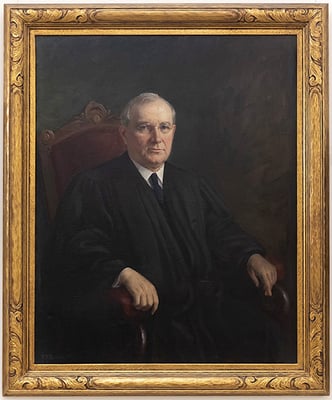
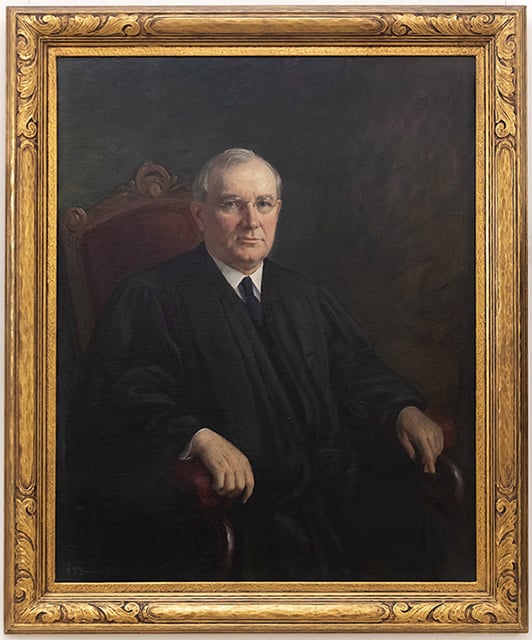
A painting of a man wearing dark judicial robes, a black tie, and a white collared shirt. He sits at a three-quarter angle in a red upholstered chair. The painting is housed within an ornate golden frame.

Portrait of Pierce Butler in judicial robes by Nicholas Brewer, 1933.

Pierce Butler was the first Minnesotan to serve as a justice of the United States Supreme Court. His nearly seventeen years there (1923–1939) followed three decades as one of the most successful trial lawyers in early twentieth-century Minnesota. He was a prosecutor, railroad lawyer, litigator for hire, and University of Minnesota regent. Some of his work, including his opposition to minimum wage laws, remains controversial.

Pierce Butler was born to Irish immigrants on a farm near Northfield, Minnesota, in 1866. He graduated from Carleton College in 1887, read law in St. Paul for a year, then went into practice. Elected Ramsey County attorney in 1893, he prosecuted the killers Otto Wonnigkeit and Charles Ermisch, resulting in the only double execution in Ramsey County history in 1894.

Butler spent a quarter century, 1897 to 1923, mostly in service of the railroad industry. He was in great demand for his skill in the arcane fields of railroad regulation and asset valuation, first as general attorney to the Omaha Railroad, then in private practice. Over six feet tall and burly, he won a reputation as an intimidating courtroom warrior.

The Taft administration twice called on Butler to prosecute businesses, first the milling industry under the Pure Food Act, then the nation’s leading meat packers under the Sherman Antitrust Act. His greatest victory took place in St. Paul, where he persuaded the federal district court to declare Minnesota’s railroad rate regulation unconstitutional. This victory was later undone by the US Supreme Court.

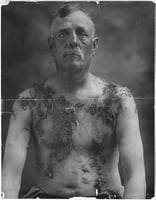
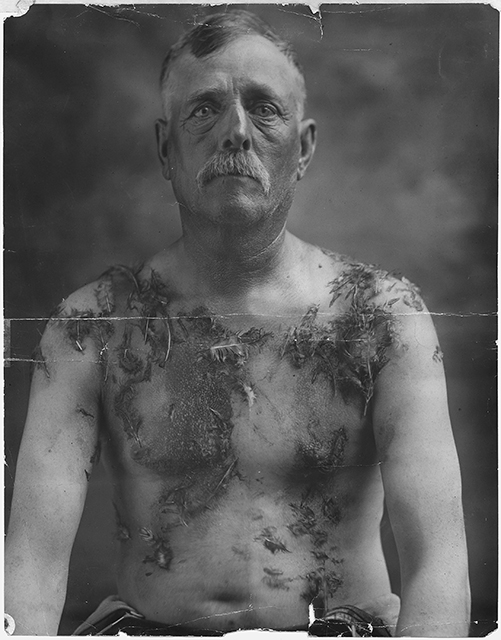
During World War I Butler leveraged institutional power against those he deemed insufficiently patriotic. As a University of Minnesota regent (1907-1923), he engineered the firing of political science professor William A. Schaper, whom he called “the Kaiser’s man,” for not “boosting” the war effort in his classes. As a lawyer he defended prominent citizens of Luverne, Minnesota, who kidnapped, threatened with death, and tarred and feathered John Meints. They did it, Butler argued, to protect Meints from even worse consequences of his disloyalty. Butler won the case, but on appeal his defense was ruled illegitimate.

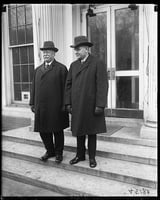
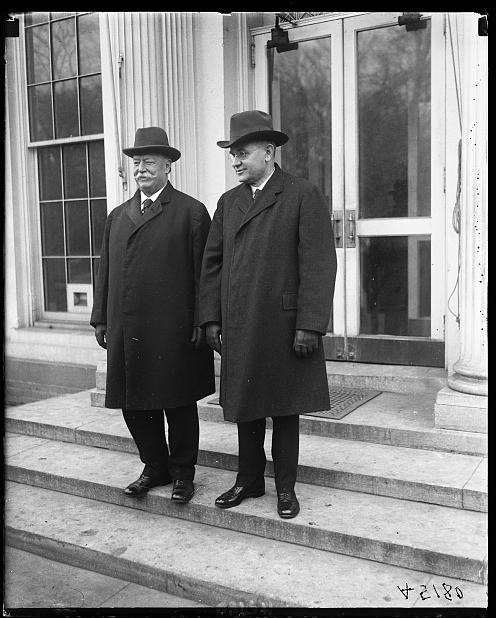
Former President Taft got to know Butler and was impressed by him during important railroad valuation hearings in Canada in 1921. When Taft became chief justice, he recommended Butler for the Supreme Court to President Harding. Butler joined the court in January 1923.

Most scholars have described Butler’s Supreme Court service as undistinguished and devoted to protecting the wealth of the wealthy. He wrote over 300 majority opinions, almost all for uncontroversial cases. Only a handful of his opinions and dissents are remembered now.

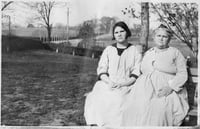
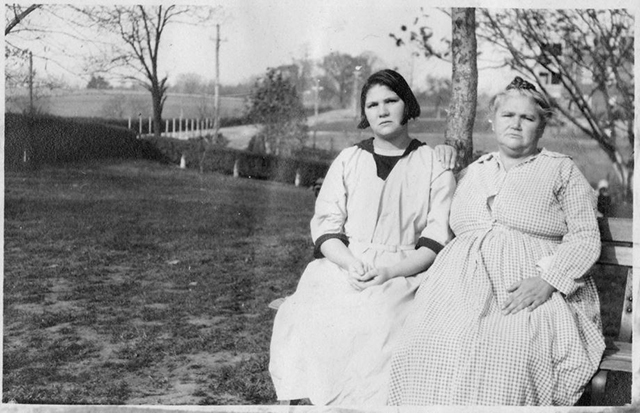
In Buck v. Bell, the court approved Virginia’s program of sterilizing women deemed by the state to be “genetically defective.” Justice Holmes wrote of Carrie Buck, her mother, and her daughter, “three generations of imbeciles are enough.” Only Pierce Butler dissented, but he declined to state his reasons.

In Olmstead v. United States he wrote, again on the losing side, that the Fourth Amendment should be interpreted to ban government telephone wiretaps if done without a search warrant. His reasoning was adopted forty years later in Katz v. US.

In Powell v. Alabama, the Scottsboro Boys case, he dissented again. Eight innocent Black teenagers had been sentenced to death for rape after rushed trials before all-white juries, their lawyers given no time to prepare. By a vote of 7-2 the Supreme Court overturned their convictions. Butler, who knew from experience the importance of trial preparation, found no defect in the proceedings.

Butler was one of the “Four Horsemen” justices who opposed the New Deal. In 1936 he wrote the majority opinion in a 5-4 case, Morehead v. New York ex rel. Tipaldo, which declared a New York minimum wage law unconstitutional. Government, he wrote, had no power to set wages. Coming as the seventh in a series of cases striking down New Deal-era legislation, Tipaldo set off President Roosevelt’s so-called “court-packing plan” to add six seats to the Supreme Court.

Roosevelt lost that battle—the worst legislative defeat of his presidency. However, just nine months after Tipaldo, the Supreme Court reversed the decision in a minimum wage case called West Coast Hotel v. Parrish. Butler’s opinion in Tipaldo had been based on his concept of “freedom of contract,” the idea that the state should not intervene in contracts between employers and their employees. In Parrish, Chief Justice Hughes wrote that “the Constitution does not speak of freedom of contract,” sweeping aside Butler’s way of thinking. Pierce Butler died of leukemia on November 16, 1939.

Editor’s note: Pierce Butler Route in St. Paul is named after Pierce Butler Jr., the son of the justice.

First Published: August 05, 2026
Last Modified: August 05, 2026

Bibliography

Buck v. Bell, 247 U.S. 200 (1927).
https://supreme.justia.com/cases/federal/us/274/200

Danelski, David J. A Supreme Court Justice Is Appointed. Random House, 1964.

Fleming, James, and Paul Nelson. “Pierce Butler’s Seventeen Years Serving as St. Paul’s First US Supreme Court Justice.” Ramsey County History 61, no. 2 (2026): 11–18.
https://rchs.com/publishing/catalog/pierce-butlers-seventeen-years-serving-as-st-pauls-first-us-supreme-court-justice

Katz v. United States, 389 U.S. 347 (1967)
https://supreme.justia.com/cases/federal/us/389/347

Meints v. Huntington, 276 F. 245 (8th Cir. 1921).
https://www.plainsite.org/opinions/2xrd45r7k/meints-v-huntington

Minnesota Rate Case, 230 U.S. 352 (1913).
https://supreme.justia.com/cases/federal/us/230/352

Morehead v. New York ex rel. Tipaldo, 298 U.S. 587 (1936).
https://supreme.justia.com/cases/federal/us/298/587

Nelson, Paul, and James Fleming. “Pierce Butler in St. Paul.” Ramsey County History 61, no. 1 (2026): 1–9.
https://rchs.com/publishing/catalog/pierce-butler-in-st-paul

Olmstead v. United States, 277 U.S. 438 (1928).
https://supreme.justia.com/cases/federal/us/277/438

Powell v. Alabama, 287 U.S. 245 (1932).
https://supreme.justia.com/cases/federal/us/287/45

Quick, Janis R. “The Crimes and Times of Wonnigkeit and Ermisch.” Ramsey County History 43, no. 1 (2008): 21–27.
https://rchs.com/publishing/catalog/ramsey-county-history-spring-2008-a-whirlwind-of-crimes-the-crimes-and-times-of-wonnigkeit-and-ermisch

United States v. Schwimmer, 279 U.S. 644 (1929).
https://supreme.justia.com/cases/federal/us/279/644

West Coast Hotel v. Parrish, 300 U.S. 379 (1937).
https://supreme.justia.com/cases/federal/us/300/379

Related Resources

Gaut, Greg. The War at Home. Minnesota Historical Society, 2026.

Leuchtenberg, William E. The Supreme Court Reborn: The Constitutional Revolution in the Age of Roosevelt. Oxford University, 1995.

Related Images

A painting of a man wearing dark judicial robes, a black tie, and a white collared shirt. He sits at a three-quarter angle in a red upholstered chair. The painting is housed within an ornate golden frame.

Portrait of Pierce Butler in judicial robes by Nicholas Brewer, 1933.

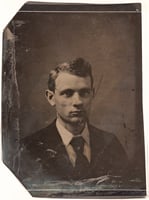
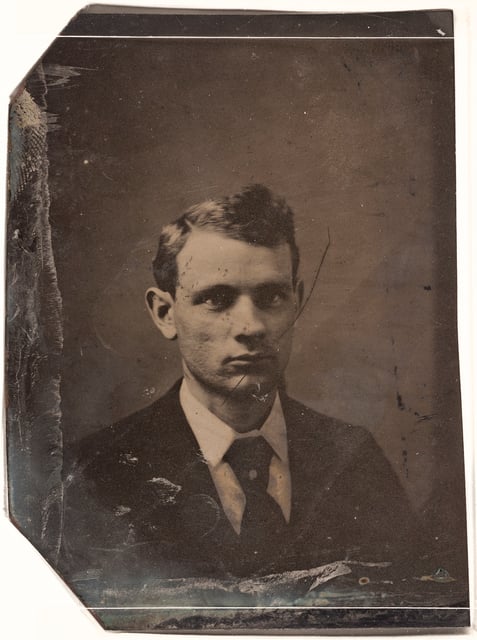
Tintype photograph of 3/4 view of a man. He is wearing a jacket, tie, and a shirt with a white collar
Tintype photograph of Pierce Butler, ca. 1882.
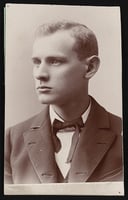
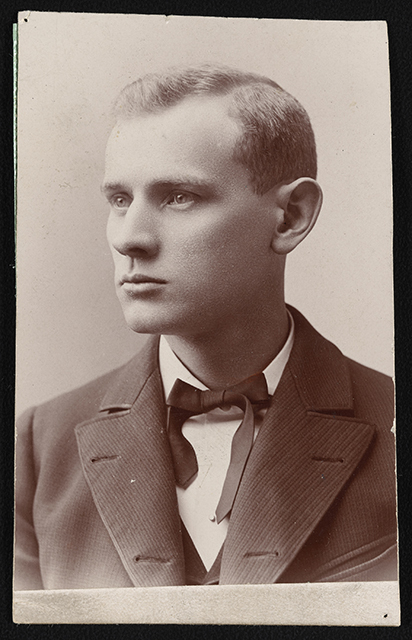
Photograph of 3/4 view of a man. He is wearing a blazer with a wide lapel, a ribbon bowtie, and a shirt with a white collar
Photograph of Pierce Butler, ca. 1886.
Photograph of a man facing the camera directly. His chest and shoulders are coated with tar and feathers.

John Meints, a German immigrant, after he was tarred and feathered for refusing to support a war-bond drive during World War I, 1918.

Two men in long dark coats stand on a set of stairs in front of a clear door.
Chief Justice Taft (left) and Butler shortly after Butler’s appointment to the Supreme Court was confirmed by the U.S. Senate.
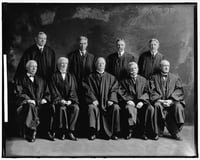
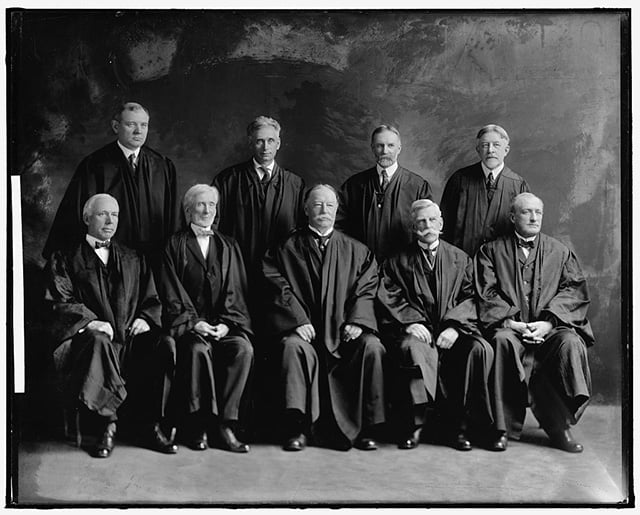
Nine men in black legal robes pose for a photograph.
Photograph of the 1923 US Supreme Court. Justice Pierce Butler stands on the far left of the back row.
Two women sit on a bench in front of a field. The woman on the left wears a long white dress with a black collar and sleeve cuffs, and the woman on the right wears a long gingham dress
Description: Carrie Buck and her mother, Emma Buck, at the Virginia colony for Epileptics and Feebleminded, 1924.
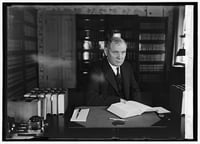
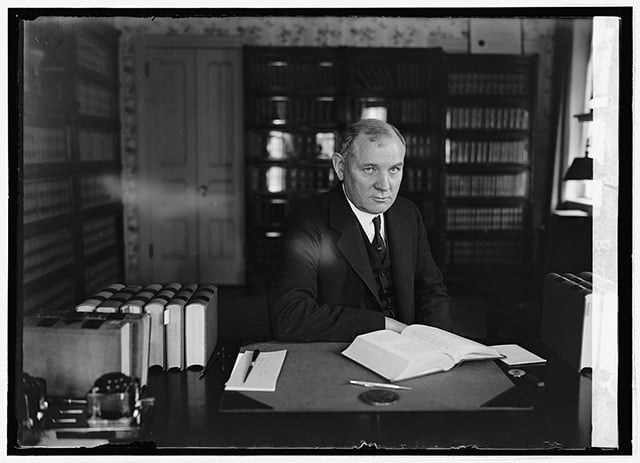
Three-quarter view of a man sitting at a desk. He wears a dark suit and tie. There are several closed books, a notepad, a pen, and an open book in front of him.
Justice Pierce Butler sits at his desk.
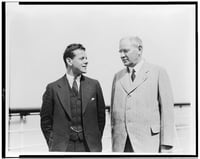
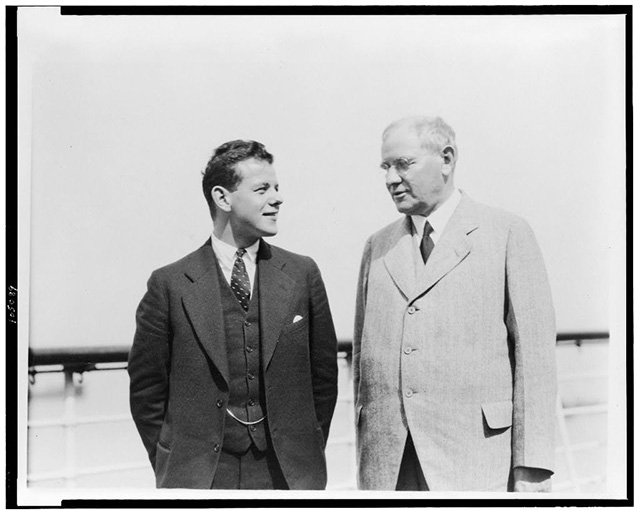
A young man in a dark suit and tie stands next to an older man in a light-colored blazer and glasses. The two men are looking at each other.
Pierce Butler and his son, Kevin Butler. Kevin passed away in 1938.
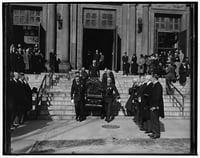
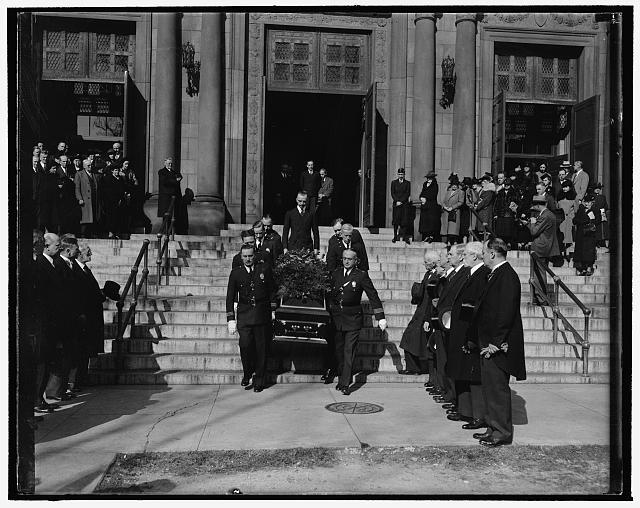
Eight men in formal attire carry a flower-laden casket down a set of stairs. They are surrounded by rows of people in dark formal attire.
Justice Butler’s funeral took place at St. Matthew’s Cathedral in Washington, DC, in 1939.
A painting of a man wearing dark judicial robes, a black tie, and a white collared shirt. He sits at a three-quarter angle in a red upholstered chair. The painting is housed within an ornate golden frame.

Justice Pierce Butler, 1933

Portrait of Pierce Butler in judicial robes by Nicholas Brewer, 1933.

Public domain

Tintype photograph of 3/4 view of a man. He is wearing a jacket, tie, and a shirt with a white collar

Pierce Butler, ca. 1882

Tintype photograph of Pierce Butler, ca. 1882.
Photograph of 3/4 view of a man. He is wearing a blazer with a wide lapel, a ribbon bowtie, and a shirt with a white collar

Pierce Butler, ca. 1886

Photograph of Pierce Butler, ca. 1886.
Photograph of a man facing the camera directly. His chest and shoulders are coated with tar and feathers.

John Meints

John Meints, a German immigrant, after he was tarred and feathered for refusing to support a war-bond drive during World War I, 1918.

Public domain

Two men in long dark coats stand on a set of stairs in front of a clear door.

Chief Justice Taft and Pierce Butler at the White House, 1922

Chief Justice Taft (left) and Butler shortly after Butler’s appointment to the Supreme Court was confirmed by the U.S. Senate.

Public domain

Nine men in black legal robes pose for a photograph.

US Supreme Court, 1923

Photograph of the 1923 US Supreme Court. Justice Pierce Butler stands on the far left of the back row.

Public domain

Two women sit on a bench in front of a field. The woman on the left wears a long white dress with a black collar and sleeve cuffs, and the woman on the right wears a long gingham dress

Carrie Buck and her Mother

Description: Carrie Buck and her mother, Emma Buck, at the Virginia colony for Epileptics and Feebleminded, 1924.

Holding Location

University at Albany, State University of New York
Three-quarter view of a man sitting at a desk. He wears a dark suit and tie. There are several closed books, a notepad, a pen, and an open book in front of him.

Justice Pierce Butler, c. 1924

Justice Pierce Butler sits at his desk.

Public domain

A young man in a dark suit and tie stands next to an older man in a light-colored blazer and glasses. The two men are looking at each other.

Pierce Butler and Kevin Butler, 1927

Pierce Butler and his son, Kevin Butler. Kevin passed away in 1938.
Eight men in formal attire carry a flower-laden casket down a set of stairs. They are surrounded by rows of people in dark formal attire.

Funeral of Justice Pierce Butler, 1939

Justice Butler’s funeral took place at St. Matthew’s Cathedral in Washington, DC, in 1939.

Public domain

Turning Point

Despite opposition from progressives like Robert LaFollette of Wisconsin and Henrik Shipstead of Minnesota, the US Senate confirms Butler as the seventy-first associate justice of the Supreme Court in January 1923.

Chronology

1866
On St. Patrick’s Day, Pierce Butler, the sixth of the eight children of Patrick and Mary Butler, is born in a log cabin near Pine Bend, Waterford Township, Dakota County, Minnesota.
1887
Butler graduates from Carleton College in Northfield, his education paid for by his older brothers John and Walter.
1891
Ramsey County Attorney Thomas D. O’Brien appoints Butler as assistant attorney.
1893
Butler is elected to the first of two two-year terms as Ramsey County Attorney.
1894
Butler secures the convictions and executions, in a double hanging, of teenage killers Charles Ermisch and Otto Wonnigkeit.
1899
The Omaha Railroad appoints Butler as general attorney. He stays in that position for six years.
1908
Governor John A. Johnson appoints Butler as University of Minnesota regent.
1910
Butler wins an adulterated flour case; the Supreme Court later overturns it on appeal.
1911
Butler wins the Minnesota Rate Case, which holds the state of Minnesota’s rate-making for intra-state passenger and freight unconstitutional. The US Supreme Court reverses this decision in 1913.
1912
Butler loses the antitrust case against Armour, et al., in Chicago.
1917
As regent of the University of Minnesota, Butler engineers the firing of Professor William A. Schaper.
1919
Butler represents the kidnappers of John Meints.
1922
President Harding nominates Butler for the Supreme Court; Butler takes his seat the following January.
1927
Butler dissents in Buck v. Bell.
1929
Butler writes the opinion in United States v. Schwimmer, denying citizenship to Rosika Schwimmer because of her pacifism.
1932
Butler dissents in Powell v. Alabama.
1936

Butler writes the majority opinion in Tipaldo. Tipaldo is overturned the next year in West Coast Hotel v. Parrish.

1939
Butler dies in Washington DC; he is buried in Calvary Cemetery, St. Paul.

Bibliography

Buck v. Bell, 247 U.S. 200 (1927).
https://supreme.justia.com/cases/federal/us/274/200

Danelski, David J. A Supreme Court Justice Is Appointed. Random House, 1964.

Fleming, James, and Paul Nelson. “Pierce Butler’s Seventeen Years Serving as St. Paul’s First US Supreme Court Justice.” Ramsey County History 61, no. 2 (2026): 11–18.
https://rchs.com/publishing/catalog/pierce-butlers-seventeen-years-serving-as-st-pauls-first-us-supreme-court-justice

Katz v. United States, 389 U.S. 347 (1967)
https://supreme.justia.com/cases/federal/us/389/347

Meints v. Huntington, 276 F. 245 (8th Cir. 1921).
https://www.plainsite.org/opinions/2xrd45r7k/meints-v-huntington

Minnesota Rate Case, 230 U.S. 352 (1913).
https://supreme.justia.com/cases/federal/us/230/352

Morehead v. New York ex rel. Tipaldo, 298 U.S. 587 (1936).
https://supreme.justia.com/cases/federal/us/298/587

Nelson, Paul, and James Fleming. “Pierce Butler in St. Paul.” Ramsey County History 61, no. 1 (2026): 1–9.
https://rchs.com/publishing/catalog/pierce-butler-in-st-paul

Olmstead v. United States, 277 U.S. 438 (1928).
https://supreme.justia.com/cases/federal/us/277/438

Powell v. Alabama, 287 U.S. 245 (1932).
https://supreme.justia.com/cases/federal/us/287/45

Quick, Janis R. “The Crimes and Times of Wonnigkeit and Ermisch.” Ramsey County History 43, no. 1 (2008): 21–27.
https://rchs.com/publishing/catalog/ramsey-county-history-spring-2008-a-whirlwind-of-crimes-the-crimes-and-times-of-wonnigkeit-and-ermisch

United States v. Schwimmer, 279 U.S. 644 (1929).
https://supreme.justia.com/cases/federal/us/279/644

West Coast Hotel v. Parrish, 300 U.S. 379 (1937).
https://supreme.justia.com/cases/federal/us/300/379

Related Resources

Gaut, Greg. The War at Home. Minnesota Historical Society, 2026.

Leuchtenberg, William E. The Supreme Court Reborn: The Constitutional Revolution in the Age of Roosevelt. Oxford University, 1995.